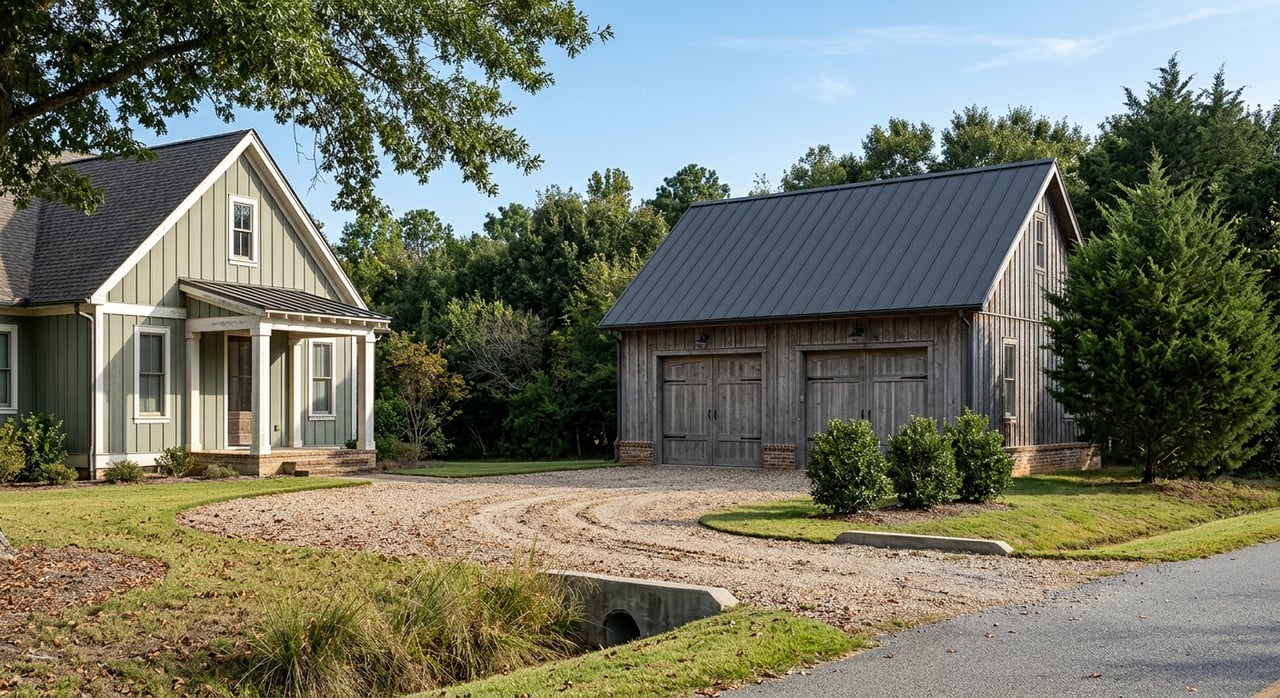
If you are selling rural or riverfront property in Lancaster, you are not just selling a house or a piece of land. You are selling access, shoreline conditions, road frontage, utility records, and future possibilities. That can feel like a lot to organize, but with the right preparation, you can make your property easier for serious buyers to understand and value. Let’s dive in.
Why Lancaster properties need a different approach
Selling in Lancaster County is different from selling a typical in-town home because the property itself often includes more moving parts. The county’s Planning and Land Use Office administers zoning, subdivision, wetlands, Chesapeake Bay Preservation, erosion and sediment control, and other land-use rules that can affect how a buyer sees the property.
For riverfront and acreage listings, buyers often look beyond the home and focus on what they can do with the land. They may want to understand shoreline protections, access to state waters, development potential, and how the site fits their recreation or lifestyle goals. In Lancaster, those questions can directly affect value and timing.
That is why a strong sale starts with clear documentation and a thoughtful listing strategy. When you can answer key questions early, you reduce uncertainty and help buyers move forward with confidence.
What buyers want before touring
Serious buyers of rural and riverfront property usually want more than photos and a tax record. They often expect a clear paper trail that helps them evaluate the property before they visit or soon after their first showing.
A strong listing package often includes:
- Deed
- Parcel number and tax-map reference
- Survey or plat
- Easement documents
- Septic records
- Well records or testing history
- Permit history for outbuildings or shoreline work
- Flood-zone documentation
- Zoning or land-use status
Lancaster County records deeds and land transactions through the Clerk of the Circuit Court, and parcel data may include owner name, recent assessment, property description, and deed-book references. That can help you gather the basics, but buyers usually want supporting documents that go further than a simple online record.
Access can shape value
Road access is one of the first things buyers will investigate on a rural listing. They want to know whether the property has direct public-road access, shared access, or use of a private lane or recorded easement.
In Lancaster, the county road map includes public and named private roads, which makes access an important part of the story you tell. If access depends on a private road or easement, it helps to have those documents ready before the property goes live.
A buyer who cannot quickly confirm access may hesitate, even if the property is otherwise a great fit. Clear answers up front can keep momentum on your side.
Septic and well records matter
For many Lancaster properties, septic and well information is a big part of buyer due diligence. These systems are common on rural property, and buyers often want records before they commit.
Virginia Department of Health guidance says an onsite sewage system inspection is not required before a property transfer, but it is recommended. VDH also notes that conventional systems are typically pumped every three to five years and that buyers should look for records such as permits, waivers, easements, and notices of recordation.
For wells, VDH says newly constructed private wells in Virginia must be tested for coliform organisms. After installation, routine testing is generally up to the well owner unless a lender requires it. If you have records for installation, testing, repairs, or maintenance, include them in your seller package.
Land-use taxation can affect a sale
If your acreage is enrolled in Lancaster County’s Land Use Program, verify that status early. This is especially important if your property includes farmland, timberland, or open land that may qualify for use-value taxation.
According to Lancaster County’s Commissioner of the Revenue, agricultural land generally needs at least 5 acres, while forest land generally needs at least 20 acres for the program. Virginia law also allows rollback taxes when qualifying land changes to a non-qualifying use or is rezoned to a more intensive use at the owner’s request.
That does not mean your property is harder to sell. It means buyers may need clear information about current status and possible tax consequences if their future plans differ from the current use.
Riverfront value goes beyond the view
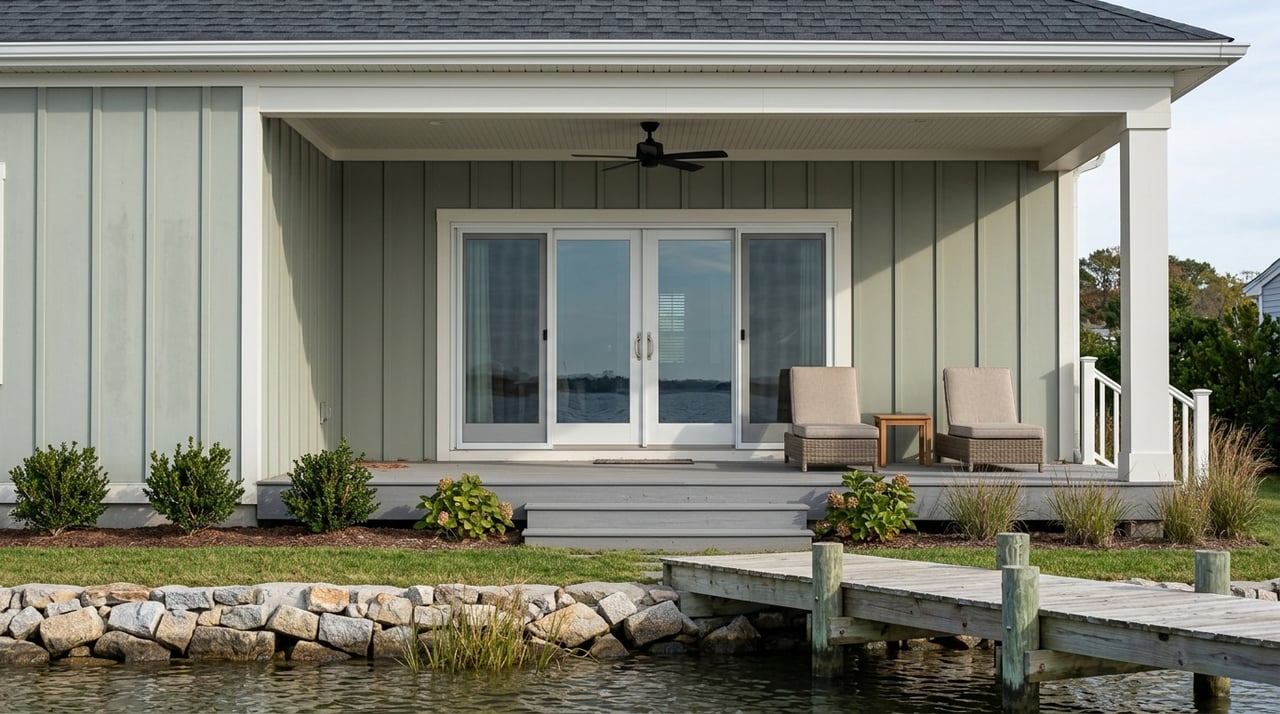
A beautiful shoreline is a major selling point, but buyers in Lancaster usually look deeper than the view alone. They may evaluate flooding, erosion, shoreline condition, dock or pier details, and how easily they can enjoy the water.
Lancaster County’s materials on public access highlight boat ramps, fishing piers, kayak launches, and other water-access sites. That local emphasis reflects what many buyers are already thinking about: recreation, boating, and day-to-day enjoyment of the river.
If your property offers a pier, protected shoreline, easy launch access, or strong water views, those features should be documented and presented clearly. If there are limits or pending questions, it is better to explain them accurately than leave buyers guessing.
Shoreline rules can affect timing
Riverfront property often comes with extra review if a buyer plans future improvements. Lancaster County says shoreline-adjacent lands may have important water-quality value and may also face flooding, erosion, and soil limitations.
The county also notes that anyone planning to cut or direct the cutting of trees within 100 feet of tidal waters or wetlands must first contact the Planning and Land Use Office. That is the kind of detail buyers appreciate knowing before they make plans for clearing views or changing the landscape.
If the property has had prior shoreline work, gather those records. If future work may be needed, be ready to explain the approval path in a factual, straightforward way.
Wetlands and permits are a big factor
In Lancaster, shoreline stabilization and related work may involve several layers of review. The county’s Wetlands Board considers projects involving tidal and non-tidal wetlands, including rip-rap, bulkheads, groins, jetties, living shorelines, and marinas.
The county’s Joint Permit Application process sends completed applications to VMRC and then through review by multiple agencies, including VMRC, DEQ, VIMS, USACE, and Lancaster County Wetlands Board staff. Lancaster County describes the process as taking roughly two months, and additional wetlands, zoning, land-disturbance, building, or landscaping-plan approvals may also be involved.
For a seller, this matters because buyers often ask not only what exists today, but what they may be allowed to do later. Good records and realistic expectations can help avoid surprises during negotiations.
Flood-zone questions should be answered early
Flood risk is a practical issue for riverfront and low-lying property in Lancaster. The county GIS includes FEMA flood mapping and storm-surge mapping, which makes it a useful reference point during listing preparation.
At the same time, Lancaster County’s GIS states that its data should be verified by an outside source before being used in legal documents. That means GIS is helpful for research, but it is not a substitute for official documentation, survey work, or title review.
FEMA’s official flood hazard information shows that properties in high-risk A or V zones generally require flood insurance when the mortgage is federally backed. It also notes that every zone carries some flood risk, which is why early documentation can help buyers and lenders move more smoothly.
Why a survey is often worth it
Many sellers ask whether a survey is optional. In a technically simple sale, a buyer may proceed without a new one, but rural and riverfront listings often benefit from having a survey or plat ready.
That is because county GIS is a reference tool, not a legal boundary source. If your property has irregular lines, private-road access, acreage questions, shoreline frontage, or easements, a survey can make the listing easier to understand and defend.
A survey also helps when buyers are thinking about improvements, future structures, or a possible split of part of the tract. Clear boundaries tend to reduce friction.
How to market a Lancaster rural property well
The best listing presentation usually shows both the lifestyle and the documentation. Beautiful photos matter, but for Lancaster rural and riverfront properties, buyers also want proof of what they are seeing.
Your marketing package may be stronger when it includes:
- Dwelling photos and site photos
- Barns, workshops, trails, woods, or pasture images
- Shoreline condition details
- Dock or pier information
- Water-view and recreation highlights
- Access explanations
- Key property records in an organized packet
This is where thoughtful marketing makes a difference. When your listing combines visual appeal with practical answers, buyers can picture the property and understand it at the same time.
Prepare for subdivision questions
If you own a larger tract, buyers may ask whether part of the property can be subdivided or whether another dwelling site could be added later. Lancaster County provides application paths for subdivision, zoning changes, variances, special exceptions, and land-disturbance work.
That does not guarantee a future outcome, but it does mean these questions should be considered before the property hits the market. If subdivision potential is part of the appeal, early review can help you present the opportunity more clearly and avoid delays later.
A well-prepared seller usually has the edge
Rural and riverfront properties in Lancaster can attract highly motivated buyers, but those buyers are often careful and detail-oriented. They want to know what they are buying, how the property works, and what future ownership may involve.
When you prepare records, confirm access, organize septic and well information, and address shoreline or flood questions early, you put yourself in a much stronger position. You also help your property stand out for the right reasons.
If you are planning to sell acreage, waterfront, or a complex property in Lancaster, working with an advisor who understands land, construction, and waterfront issues can make the process smoother from day one. To schedule a personalized market consultation, connect with Beth Groner.
FAQs
What documents should you gather before selling rural property in Lancaster?
- You should gather the deed, parcel number, tax-map reference, survey or plat, easement documents, septic records, well records or testing history, permit history, flood-zone documentation, and any zoning or land-use information.
Is a septic inspection required when selling property in Lancaster, Virginia?
- No. Virginia Department of Health guidance says an onsite sewage system inspection is not required before transfer, but it is recommended.
Why is road access important when selling acreage in Lancaster?
- Buyers often want proof of whether access is direct, shared, or dependent on a private lane or recorded easement, because access can affect value, financing, and future use.
What should sellers know about shoreline work in Lancaster County?
- Shoreline projects may involve the Lancaster Wetlands Board and a joint permit process with multiple agencies, and the county says the review process is roughly two months.
Should you get a survey before listing riverfront property in Lancaster?
- A survey or plat is often the safer choice because Lancaster County GIS is a helpful reference tool but not a legal source for boundaries or legal documents.
Can flood zones affect a Lancaster riverfront sale?
- Yes. Flood-zone status can affect insurance needs and buyer decisions, and properties in high-risk A or V zones generally require flood insurance when the mortgage is federally backed.