Dreaming about a historic waterfront home in Reedville? You are not alone. Buying here can feel exciting and a little intimidating because you are balancing charm, shoreline realities, and the details that come with an older house. This guide will help you understand what makes Reedville special, what to look for in a historic waterfront property, and how to buy with more confidence. Let’s dive in.
Why Reedville Stands Out
Reedville sits on a narrow peninsula in eastern Northumberland County, surrounded on three sides by Cockrell Creek and close to where the Potomac River meets the Chesapeake Bay. That setting gives the village a strong connection to the water and a distinct maritime identity.
Its history is tied to the menhaden fishing industry that grew after the Civil War. The Reedville Historic District was listed on the Virginia Landmarks Register and the National Register of Historic Places in 1984, reflecting the area’s long-standing architectural and cultural significance.
What Historic Reedville Homes Look Like
If you are shopping in Reedville, you may see a mix of late 19th-century and early 20th-century homes. The historic district includes modest frame dwellings as well as larger houses linked to the village’s period of industrial prosperity.
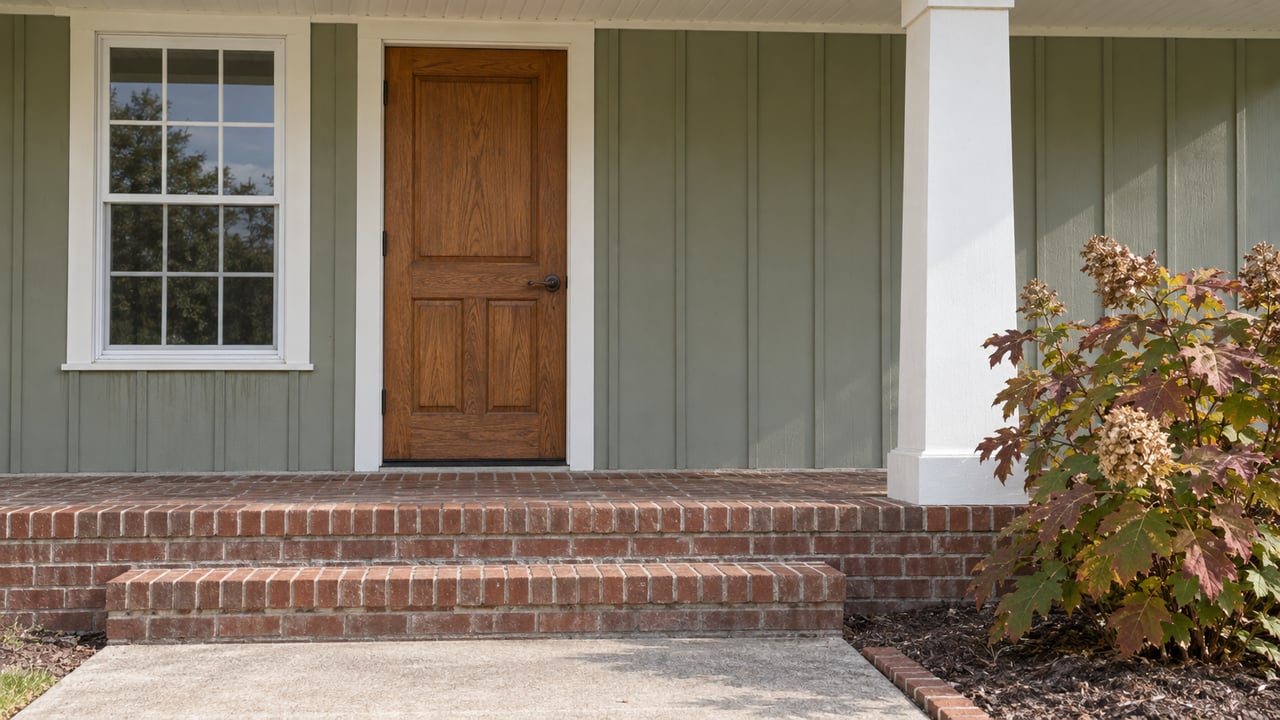
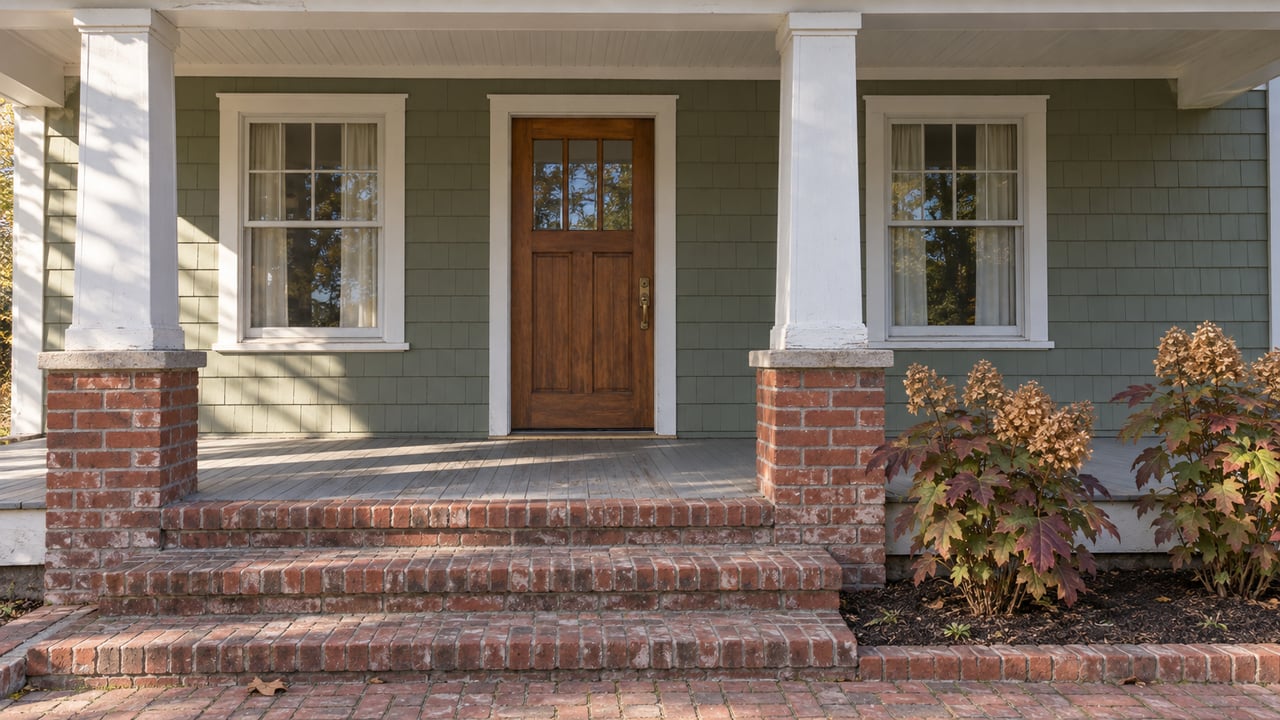
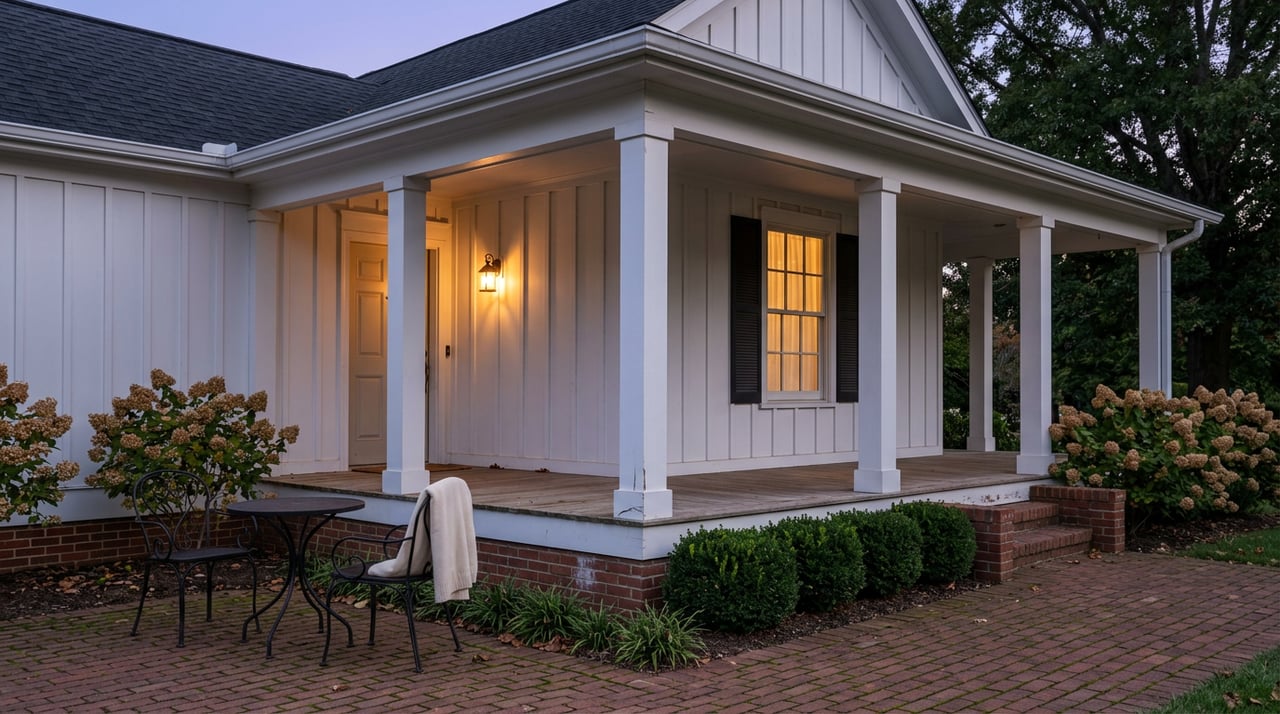
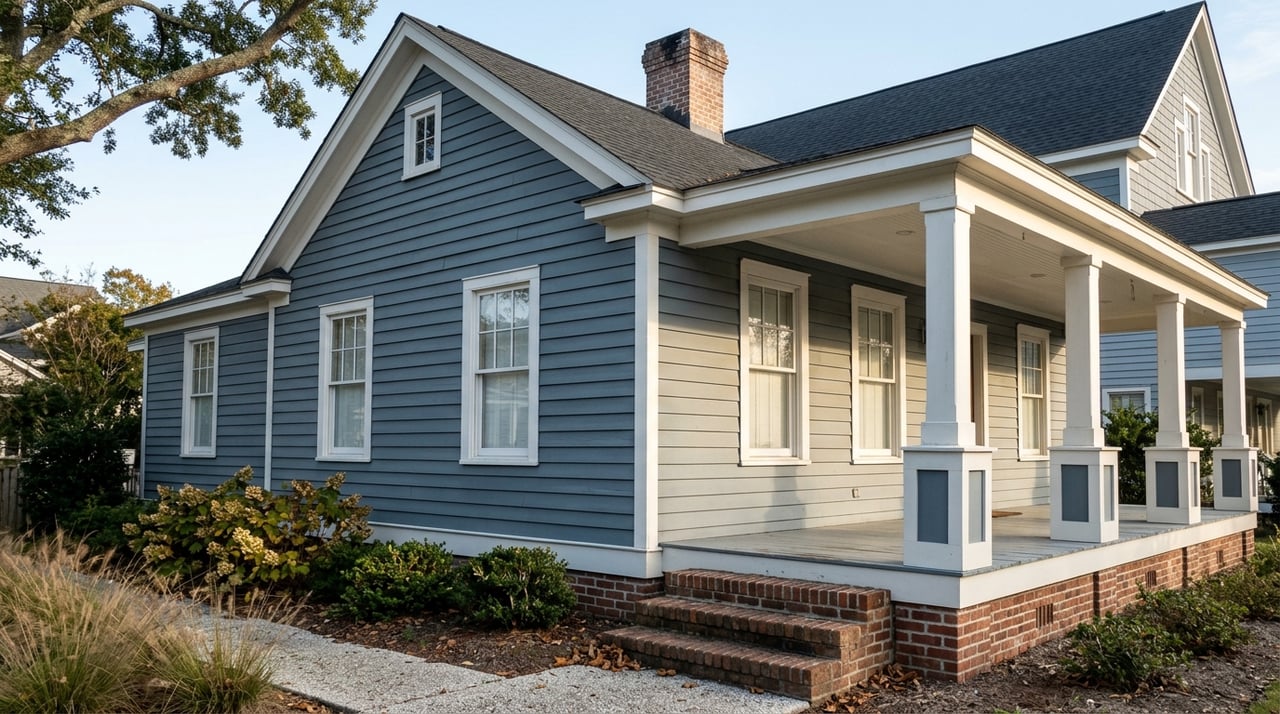
Architectural styles and details can vary quite a bit. You may find Queen Anne, Victorian Vernacular, Colonial Revival, Bungalow, and a few masonry homes, often with features like wraparound porches, bay windows, patterned shingles, turrets, turned balustrades, slate roofs, brick foundations, or standing-seam metal roofs.
Character Matters More Than You Think
In a historic home, those exterior details are not just nice design touches. They are part of the property’s historic character and often deserve a repair-first approach instead of immediate replacement.
That matters when you start budgeting for updates. Windows, siding, porches, trim, and roof shape should usually be evaluated carefully before you plan major changes.
Reedville Waterfront Buying Comes With Extra Layers
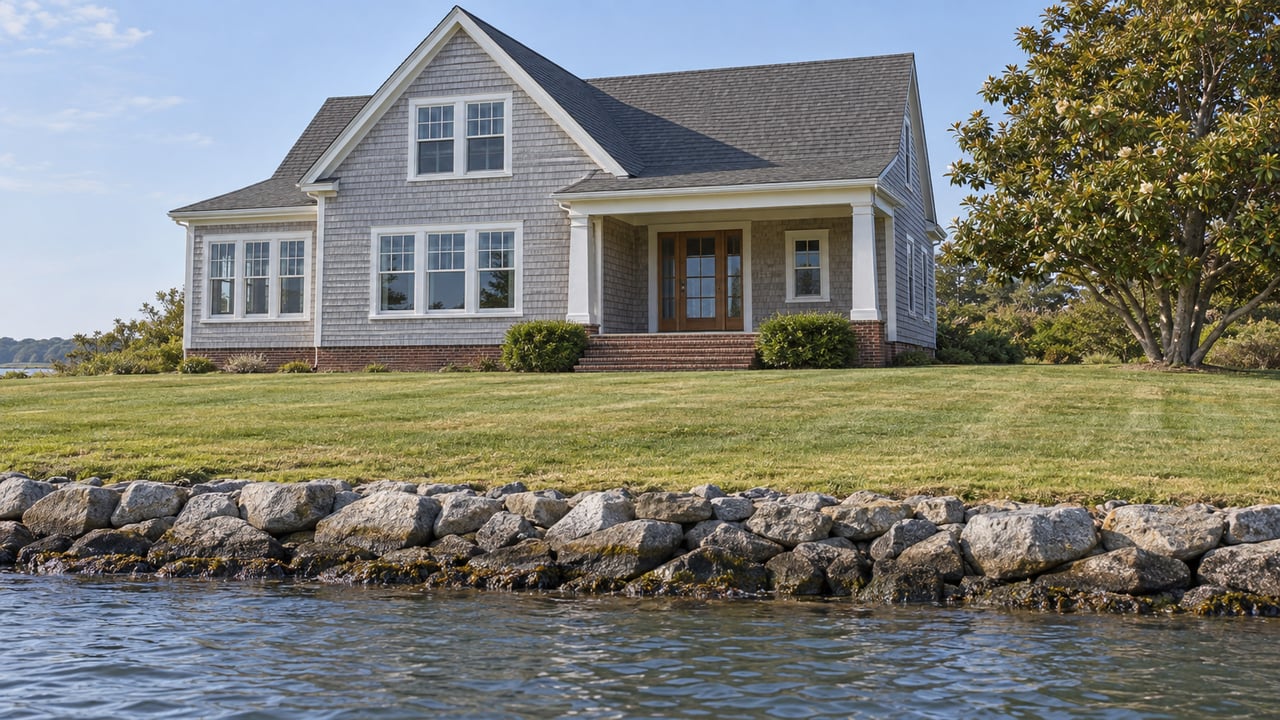
Buying on the water is different from buying inland, and that is especially true in a place like Reedville. The same shoreline that makes the setting beautiful can also bring added exposure to flooding, wave action, erosion, and storm surge.
Northumberland County notes that severe storms can push tides well above normal. The county specifically points to damage from Tropical Storm Isabel in 2004, which destroyed bulkheads, boathouses, and other waterfront structures.
Floodplain Rules to Know
Before you make an offer, confirm the flood zone and base flood elevation for the property. Northumberland County says its flood insurance rate maps were adopted on February 18, 2015, and its floodplain ordinance regulates development in flood-prone areas.
The county also states that buildings constructed within the floodplain must have a finished floor elevation two feet above base flood elevation. For buyers, that can affect renovation plans, future costs, and how you evaluate risk.
Chesapeake Bay Preservation Area Limits
Northumberland County identifies a 100-foot Chesapeake Bay Preservation Act setback from tidal waters. This setback serves as a pollution buffer and also helps with flood and erosion protection.
If you are thinking about expanding the house, adding features, or changing the site, this is one more reason to research the property early. A lot that looks large on paper may still have important limits on what can be done near the shoreline.
Shoreline Work Needs Review
If a property has a bulkhead, revetment, pier-related work, fill, or shoreline stabilization, ask what approvals were obtained. In Northumberland County, the Building and Zoning Department handles building, zoning, and land-disturbing permits, and the county also has a Wetlands Board.
On tidal waterfront lots, shoreline-related work may fall under Virginia’s shoreline permit framework. VIMS and the Virginia Marine Resources Commission also note that living shorelines are the preferred stabilization approach when scientifically suitable.
How to Evaluate a Historic Waterfront House
A smart purchase in Reedville usually comes down to separating charm from condition. You want to enjoy the architecture and the setting, but you also need a clear picture of how the home performs as a waterfront structure.
Beth Groner’s homebuilding background is especially valuable here because older houses often require a more informed eye. Instead of treating everything as one renovation bucket, it helps to break the property down into systems, structure, waterfront features, and historic character elements.
Focus on These Key Areas
When you tour a property, pay close attention to:
- Roof condition and material
- Foundation type, including brick foundations common in older homes
- Porch framing, railings, and decorative trim
- Window condition and repair potential
- Siding and exterior wood elements
- Waterfront structures such as bulkheads, boathouses, or docks
- Site drainage and signs of erosion
- Elevation and flood exposure
These items can affect both cost and long-term ownership experience. They also help you decide whether the home is a light stewardship project or a more complex undertaking.
Renovating Without Erasing the Home’s Story
Many buyers love the idea of updating a Reedville home, but the best results usually come from a measured approach. National Park Service rehabilitation guidance emphasizes repair and ongoing maintenance over wholesale replacement.
That does not mean you cannot improve comfort or function. It means you should make decisions carefully so the home keeps the features that give it value and identity.
Windows, Porches, and Exterior Details
Historic wood windows are a good example. NPS guidance notes that they can often perform well for decades with maintenance, and energy performance may be improved with storm windows and weatherstripping instead of automatic replacement.
The same mindset often applies to porches, trim, siding, and decorative elements. In Reedville, these details are a big part of what makes a house feel authentic.
Flood Adaptation Is Not One-Size-Fits-All
Flood-risk improvements may be necessary, but they should be planned thoughtfully. NPS flood-adaptation guidance says treatments should preserve historic character, site, and setting, and that not every adaptation is right for every historic building.
That is why buyers should treat roof work, porch repairs, window repairs, and flood mitigation as separate decisions. A full gut approach may not be the smartest path for every historic waterfront home.
Tax Credit Potential for Some Buyers
If the home is a certified historic structure, Virginia’s Historic Rehabilitation Tax Credit program may cover 25% of eligible rehabilitation expenses. The state program may apply to owner-occupied homes as well as income-producing properties.
This is one reason to verify whether a house is individually listed or contributing within the historic district. It can shape what incentives may be available if you plan a qualified rehabilitation project.
It is also important to know that National Register listing itself does not place federal restrictions or requirements on a private owner. Buyers should not assume that historic status automatically means every rule works the same way at every level.
Reedville Due Diligence Checklist
If you are serious about buying a historic waterfront home in Reedville, keep this checklist handy:
- Confirm the flood zone and base flood elevation
- Ask about flood insurance implications
- Verify whether the home is individually listed or contributing in the historic district
- Review any prior permits or approvals for shoreline stabilization, fill, or similar work
- Check with Northumberland County Building and Zoning on property-specific permit history if needed
- Document original features such as porches, windows, trim, siding, and roof form before planning renovations
- If the home predates 1978, review lead-based paint disclosures carefully
- Research shoreline conditions using Northumberland County coastal resource mapping tools maintained by VIMS
A careful due diligence process can save you time, money, and frustration after closing. It also helps you buy with realistic expectations about both preservation and waterfront ownership.
Why Local Guidance Matters
Historic waterfront purchases are rarely simple. In Reedville, you are often balancing architecture, shoreline conditions, permits, floodplain rules, and future improvement plans all at once.
That is where experienced local guidance makes a real difference. When you work with an advisor who understands both waterfront issues and construction details, you can ask better questions, spot potential concerns earlier, and move forward with more clarity.
If you are considering a historic waterfront home in Reedville, Beth Groner can help you evaluate the property with a practical, informed approach and guide you through the local details that matter most.
FAQs
What makes a Reedville home part of the historic district?
- Reedville Historic District was listed on the Virginia Landmarks Register and the National Register of Historic Places in 1984, and homes within the district may be individually listed or considered contributing to the district’s historic character.
What should buyers check before buying a waterfront home in Reedville?
- You should confirm the flood zone, base flood elevation, shoreline conditions, permit history, and any approvals for shoreline work before making an offer.
Can you renovate a historic home in Reedville?
- Yes, but a repair-first approach is often the best fit, especially for character-defining features like porches, windows, siding, trim, and roof form.
Are there tax credits for rehabilitating a historic home in Reedville?
- If the property is a certified historic structure, Virginia’s Historic Rehabilitation Tax Credit program may cover 25% of eligible rehabilitation expenses, including some owner-occupied homes.
Why is flood research important for Reedville waterfront buyers?
- Reedville’s tidal setting can bring flood risk, wave action, and storm surge exposure, and local rules may affect construction, renovation, and elevation requirements.