If your idea of a waterfront getaway involves crowded boardwalks and nonstop activity, Lancaster may surprise you. Riverfront retreat living here feels quieter, more grounded, and closely tied to the water itself. If you are wondering what day-to-day life in Lancaster, Virginia really feels like, this guide will help you picture the pace, setting, and kinds of homes that tend to fit the lifestyle. Let’s dive in.
Lancaster's Riverfront Setting
Lancaster County sits on Virginia’s Northern Neck in the coastal plain, bounded by the Chesapeake Bay and the Rappahannock River. The county reports 180 miles of shoreline, a generally flat landscape, and a rural setting shaped by heritage, the arts, and outdoor recreation.
That geography matters because it shapes how you experience the area. Instead of a dense resort environment, you get a landscape of creeks, marshes, river views, and working waterfront access. The result is a place that often feels calm, open, and connected to nature.
A Quieter Waterfront Rhythm
One of the first things many buyers notice is that Lancaster feels more nature-first than resort-heavy. Public water access here is built around launches, piers, docks, fishing access, and practical entry points to the water, not large entertainment zones.
That creates a different kind of daily rhythm. You are more likely to spend your morning watching light move across a creek, launching a kayak, or heading out by boat than navigating crowds or traffic. For many second-home and lifestyle buyers, that slower cadence is exactly the appeal.
Public Access Shapes the Experience
Lancaster County’s public water network helps show what local waterfront life looks like. Current access points include Harpers Creek Park & Working Waterfront Complex, Thomas Landing Boat Ramp and Courtesy Dock, Windmill Point Westland Beach & Public Fishing Pier, and a canoe and kayak launch.
These are practical, useful access points that support both recreation and the county’s water-based economy. Harpers Creek, in particular, serves recreational users as well as water-dependent industries, which reflects the area’s authentic working-waterfront character.
Time Outdoors Feels Natural Here
Belle Isle State Park offers a strong example of the outdoor rhythm many people associate with Lancaster County living. The park includes 892 acres, 7 miles of shoreline on the Rappahannock River, access to Mulberry and Deep creeks, tidal wetlands, fields, forests, trails, launches, rentals, a fishing pier, and overnight lodging.
In practical terms, that means outdoor time is easy to fold into daily life. Whether you enjoy walking trails, paddling quiet water, fishing, or simply spending time near the shoreline, the area supports a lifestyle that feels relaxed and low-pressure.
What a Riverfront Day Can Feel Like
Riverfront retreat living in Lancaster is often less about a packed agenda and more about how the environment shapes your day. Quiet creeks, forested edges, wetland marshes, and broad river views create a setting that feels peaceful without feeling isolated.
You may find that the simplest moments become the most memorable. A calm morning on the dock, birds moving through the marsh, or an easy afternoon drive to a museum or park can become part of your normal routine.
More Retreat Than Resort
That distinction is important if you are comparing waterfront areas. Lancaster tends to suit buyers who want breathing room, privacy, and a water-oriented lifestyle rather than a high-energy coastal destination.
The Northern Neck heritage area describes the region through quiet rivers, wetlands, and a culture tied to boating, fishing, blue crabs, oysters, and Rockfish. That local identity gives the area a sense of place that feels rooted and genuine.
The Historic Character Adds Depth
Lancaster’s appeal is not just about scenery. The county was chartered in 1651, and that long history adds texture to the experience of living here.
You see that continuity in local landmarks and museums. Historic Christ Church in Weems, completed in 1735, is described as a National Historic Landmark and one of colonial Virginia’s best-preserved parish churches.
The Mary Ball Washington Museum & Library preserves local history and genealogy, while the Morattico Waterfront Museum highlights a river village heritage shaped by watermen and the Rappahannock and Chesapeake fishery. For buyers who want a place with identity and story, this can be a meaningful part of Lancaster’s appeal.
Who Lancaster Riverfront Living Often Suits
Not every waterfront market fits every buyer. Lancaster tends to attract people who want a retreat-like setting where privacy, shoreline access, and a connection to the outdoors matter more than walkability to busy commercial areas.
That can include second-home buyers, retirees, or anyone looking for a slower rhythm near the water. It can also appeal to buyers who enjoy boating, kayaking, fishing, or simply having a home base that feels removed from heavier tourist traffic.
Property Types That Match the Lifestyle
Based on the county’s geography and access pattern, Lancaster naturally lends itself to several property types:
- Riverfront homes
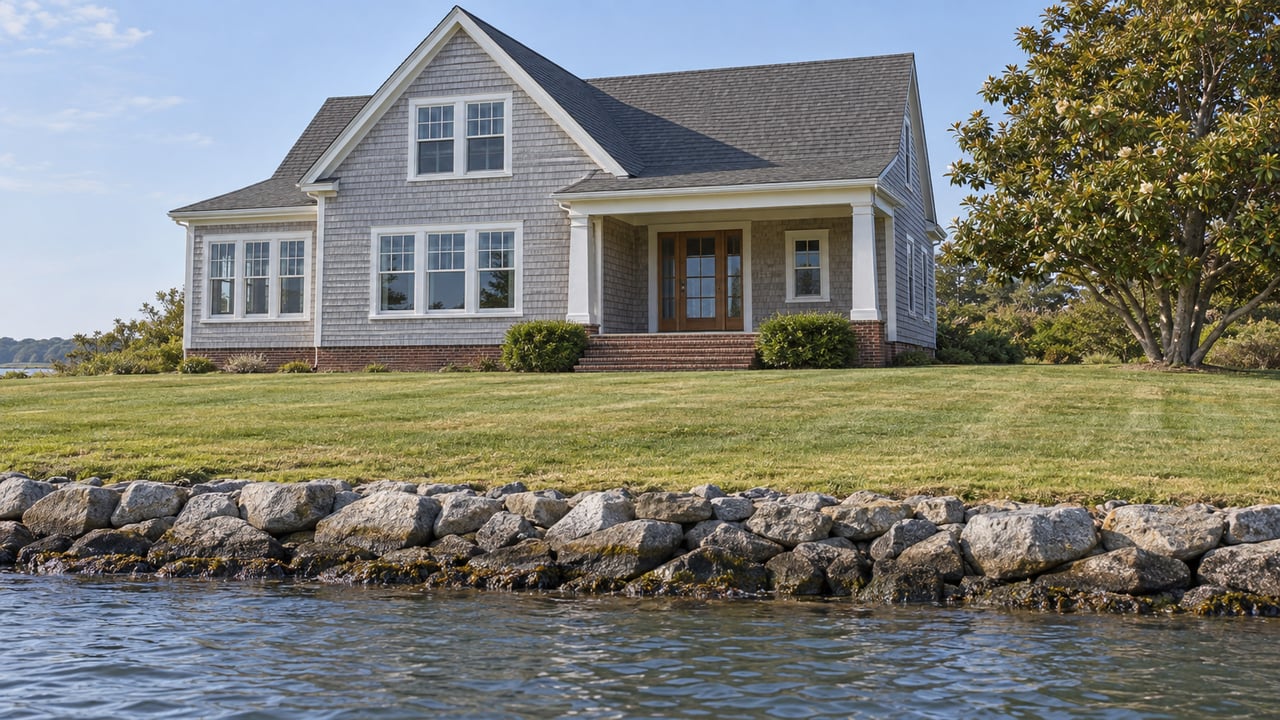
- Creek-front cottages
- Smaller retreat properties
- Acreage with water orientation
- Lots where privacy is a major draw
In many cases, buyers are choosing the setting as much as the house itself. The shoreline, the creek, the tree cover, and the sense of space can all play a major role in whether a property feels like the right fit.
What Buyers Should Pay Attention To
When you are exploring riverfront property in Lancaster, lifestyle fit usually goes beyond the view. Access to the water, the way the land sits, and how you plan to use the property can all shape your long-term enjoyment.
For example, one home may feel ideal for quiet weekends and kayaking, while another may better suit boating, entertaining, or future improvements. This is where local waterfront knowledge can make a real difference, especially if you are comparing creek-front versus riverfront settings or thinking through docks, shoreline conditions, and the practical side of ownership.
Think About Your Everyday Use
Before you buy, it helps to ask a few simple questions:
- Do you want broad river views or a quieter creek setting?
- Will you spend more time boating, paddling, fishing, or relaxing on-site?
- Is privacy a top priority?
- Are you looking for a seasonal retreat or a more frequent residence?
- Do you prefer a home with direct water orientation or land that offers future possibilities?
The right answers depend on your goals. In Lancaster, the best property is often the one that matches how you want your time by the water to actually feel.
Why the Lifestyle Resonates
Lancaster stands out because it offers a version of waterfront living that feels authentic and livable. The setting is shaped by shoreline, creeks, parks, history, and a working relationship with the water, not by a polished resort template.
For many buyers, that is exactly what makes it special. You get a retreat atmosphere with real local character, a strong connection to nature, and a pace that invites you to slow down and enjoy where you are.
If you are considering a riverfront home, creek-front cottage, or land in Lancaster, working with an advisor who understands waterfront property details can help you sort through the lifestyle and property questions that matter most. To explore your options in Virginia’s Northern Neck, schedule a personalized market consultation with Beth Groner.
FAQs
What does riverfront living in Lancaster, VA feel like?
- Riverfront living in Lancaster often feels quiet, low-key, and closely connected to nature, with daily life shaped more by creeks, marshes, boating, and open shoreline than by resort-style activity.
Is Lancaster County, Virginia more of a retreat or a resort area?
- Lancaster generally feels more like a retreat area because its waterfront experience centers on public launches, docks, fishing access, parks, and a slower outdoor rhythm rather than dense tourist infrastructure.
What kinds of waterfront properties are common in Lancaster, VA?
- Based on the county’s shoreline and access pattern, Lancaster often suits riverfront homes, creek-front cottages, smaller retreat properties, and land where privacy and water orientation are key features.
What outdoor activities support the Lancaster waterfront lifestyle?
- Common activities include boating, kayaking, fishing, walking trails, and enjoying parks and shoreline access points such as Belle Isle State Park, Harpers Creek, Thomas Landing, and Windmill Point.
Why do second-home buyers consider Lancaster, Virginia?
- Many second-home buyers are drawn to Lancaster for its slower pace, natural setting, historic character, and the chance to spend time on or near the water without the feel of a crowded resort market.