Selling a waterfront home in Deltaville can feel simple until the dock, bulkhead, or flood map comes up. Buyers often love the view first, then start asking detailed questions about permits, shoreline work, and what is actually documented. If you prepare those answers before your home hits the market, you can reduce delays, build buyer confidence, and keep negotiations on track. Let’s dive in.
Why this checklist matters in Deltaville
In Middlesex County, waterfront improvements are not just visual features. Docks, piers, bulkheads, decks, boathouses, and certain shoreline projects are part of a permit-backed process, and the county also treats floodplain work as something that requires review.
That matters when you sell because buyers are often not just evaluating the house. They are also evaluating the legality, condition, and documentation behind the waterfront improvements that help define the property’s value and use.
Start with your permit file
Before listing, gather every record you have for waterfront and outdoor improvements. A complete file helps you answer buyer questions early instead of scrambling after a contract is signed.
Your starting packet should include county zoning and building permits, along with any wetlands approvals tied to the property. If you have Tidewater Joint Permit Application records, Virginia Marine Resources Commission paperwork, Army Corps approvals, dredging authorizations, as-built drawings, or survey sketches, pull those together too.
If any project included electrical or plumbing work, include those trade permits as well. In Middlesex County, outdoor projects such as decks, porches, boathouses, bulkheads, jetties, and piers are listed permit categories, and electrical and plumbing permits are required when those systems are part of the work.
Check the dock and pier records
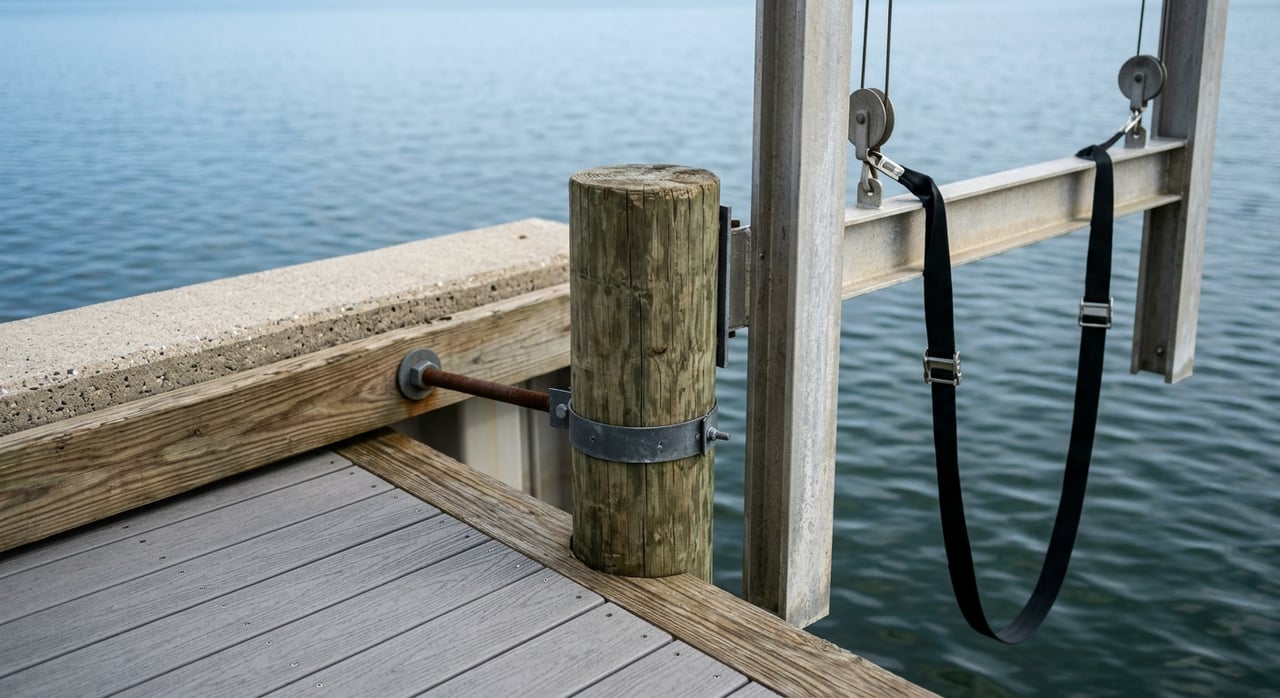
For many Deltaville buyers, the dock is one of the first things they ask about. They want to know whether it was properly approved, whether the dimensions are documented, and whether any lift or roof was added through the right process.
Virginia law makes this especially important because the Commonwealth owns the beds below the mean low-water mark, while riparian rights extend to that line. Uses below that line, including docks, piers, bulkheads, dredging, and fill, generally require Commission approval unless an exception applies.
For your listing file, try to gather documents that show:
- Permit approvals for the original dock or pier
- Any approvals for changes, replacements, or expansions
- As-built drawings or sketches with measurements
- Distances from mean high water and mean low water if available
- Dimensions of any L-head or T-head
- Records for attached boat lifts or roofed features
- Evidence that a replacement stayed within an authorized footprint, if that applies
This level of detail matters because buyers may ask whether the structure sits within approved limits and whether it stayed clear of side lot line and navigation issues. Clear records can make those conversations much easier.
Review bulkheads and shoreline work
Bulkheads, revetments, riprap, marsh toe projects, breakwaters, and other shoreline stabilization features deserve their own review before you list. These improvements often affect both value and buyer comfort, especially if erosion control is one of the reasons a buyer is interested in the property.
Middlesex County’s Wetlands Board reviews permits for tidal wetlands and enforces local wetlands and coastal sand dune and beach ordinances. The county’s Tidewater JPA also covers shoreline stabilization work, including bulkheads, living shorelines, groins, jetties, beach nourishment, and related projects.
If your property has shoreline stabilization, gather:
- Wetlands or shoreline approvals
- Tidewater JPA documents
- VMRC or Army Corps paperwork, if applicable
- Contractor invoices and as-built documents
- Survey sketches showing location and extent of the work
It is also smart to walk the shoreline before listing. If a bulkhead, piling, or dock section appears to be failing, treat that as more than a cosmetic issue. Virginia law allows repair or removal requirements for abandoned or hazardous waterfront structures, so visible deterioration can quickly become a buyer concern.
Confirm floodplain and flood map details
Flood zone questions are common in any Deltaville waterfront sale. In Middlesex County, floodplain districts are tied to FEMA flood studies and maps that became effective on May 17, 2022, and the county requires a zoning permit for uses, activities, development, repairs, and maintenance in floodplain districts.
That means flood status should be part of your pre-listing prep, not something left for the buyer to discover later. The county maintains FEMA flood maps and an interactive map gallery with flood zones, parcels, zoning, lidar, and soils layers, which can help you verify the map context for your property.
Before listing, gather and confirm:
- The current flood map panel reference, if available
- Any elevation certificate
- Any flood-related permit records
- Any flood studies in your file
- Any Letter of Map Change or map revision records
If your home, dock-related structure, or accessory building sits in a flood hazard area, having these records ready can reduce uncertainty during due diligence. Buyers often feel more confident when the seller can explain the file clearly and calmly.
Look at boathouses, decks, and porches
Outdoor living features add appeal, but they can also raise documentation questions. In Middlesex County, decks, porches, boathouses, bulkheads, jetties, and piers all appear as permit categories on the county fee schedule.
If you added or rebuilt any of these features, confirm that your file includes the relevant permits. If the project involved lighting, outdoor outlets, pumps, outdoor showers, or plumbing for an entertainment area, include those trade permits too.
This helps in two ways. First, it supports the value story of the home. Second, it shows buyers that the property went through the county’s normal permit path rather than relying on undocumented work.
Match what exists to what was approved
One of the most helpful pre-listing steps is comparing the current site condition to the paperwork you have on hand. You do not need to overcomplicate this, but you do want to catch obvious mismatches before a buyer or appraiser does.
Walk the property and compare the visible improvements to your plans, permits, and sketches. Look closely at dock length, width, heads, lifts, roofs, bulkhead location, shoreline additions, and any outdoor structures that may have changed over time.
If your drawings are unclear or incomplete, organize what you do have into a clean seller packet. The Tidewater JPA process relies on clear drawings and existing-condition review, so incomplete records can create buyer hesitation and extra questions.
Anticipate buyer questions early
In a waterfront sale, buyers usually focus on a few predictable topics. If you answer them up front, you often create a smoother showing and negotiation process.
Expect questions such as:
- Is the dock or pier permitted?
- Was the boat lift approved?
- Is the bulkhead or shoreline work documented?
- Are there wetlands or floodplain considerations?
- Do you have an elevation certificate?
- Were outdoor electrical or plumbing features permitted?
- Has any structure been replaced, extended, or rebuilt?
The best answer is usually documentation, not guesswork. When you can show permits, plans, and supporting records, buyers spend less time worrying about hidden issues and more time deciding whether the property fits their goals.
Reduce negotiation friction before it starts
Waterfront transactions can stall when a buyer discovers unclear permit history late in the process. That is why pre-listing preparation matters so much in Deltaville.
A well-prepared seller packet can help reduce renegotiation risk by showing that improvements were approved, measured, and reviewed through the proper channels. It also gives your agent better tools for marketing the property accurately and answering technical questions with confidence.
For a premium waterfront listing, this kind of preparation is not busywork. It is part of presenting the property well, protecting your leverage, and helping serious buyers move forward with fewer surprises.
A simple pre-listing checklist
If you want a practical way to organize your next steps, use this checklist before your home goes live:
- Gather county zoning and building permits
- Pull wetlands approvals and Tidewater JPA records
- Locate VMRC and Army Corps paperwork, if applicable
- Add dredging approvals if the property has them
- Collect as-built drawings, surveys, and sketches
- Confirm dock, pier, lift, and roof dimensions in your records
- Review bulkhead and shoreline stabilization documents
- Check for permits tied to decks, porches, and boathouses
- Include electrical and plumbing permits for outdoor features
- Verify flood map context and flood zone records
- Pull any elevation certificate or Letter of Map Change
- Walk the property and compare current conditions to approvals
- Organize everything into one clean listing file
When you are selling a Deltaville waterfront property, details matter. A thoughtful pre-listing review helps you present the home with clarity, answer buyer questions faster, and avoid preventable friction once offers start coming in.
If you want experienced guidance on preparing a waterfront home for market, schedule a personalized consultation with Beth Groner.
FAQs
What documents should sellers gather before listing a Deltaville waterfront home?
- Sellers should gather county zoning and building permits, wetlands approvals, Tidewater JPA records, any VMRC or Army Corps paperwork, dredging authorizations, as-built drawings, survey sketches, and any related electrical or plumbing permits.
Why do dock permits matter when selling a waterfront home in Deltaville?
- Dock permits matter because buyers often want proof that the dock, pier, lift, or related features were properly approved and built within authorized limits.
What floodplain records are helpful for a Middlesex County waterfront listing?
- Helpful records include the current flood map panel reference, any elevation certificate, flood-related permit records, flood studies, and any Letter of Map Change if one exists.
Do decks, porches, and boathouses need attention before listing in Middlesex County?
- Yes. These features are listed permit categories in the county, so sellers should confirm that any related permits, plus electrical or plumbing permits tied to the work, are in the listing file.
What causes buyer hesitation with Deltaville waterfront properties?
- Common friction points include missing permit records, unclear dock or bulkhead dimensions, unanswered flood zone questions, and unpermitted or poorly documented maintenance or improvements.