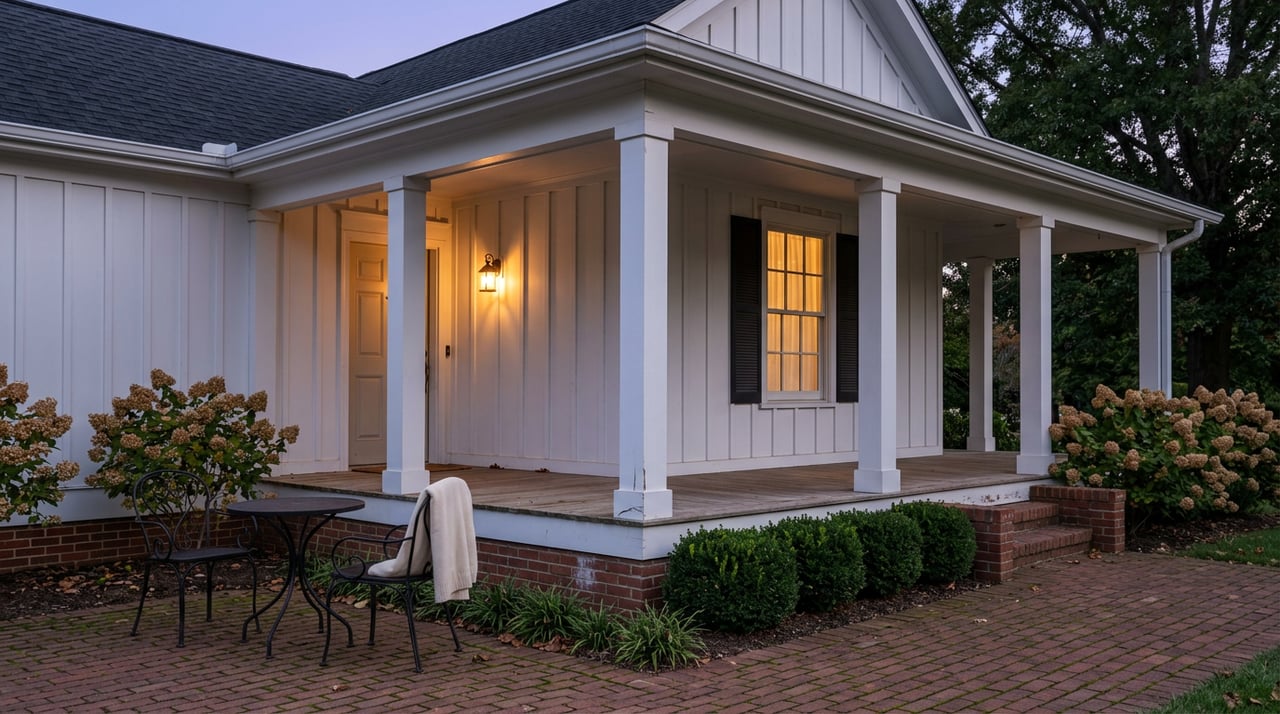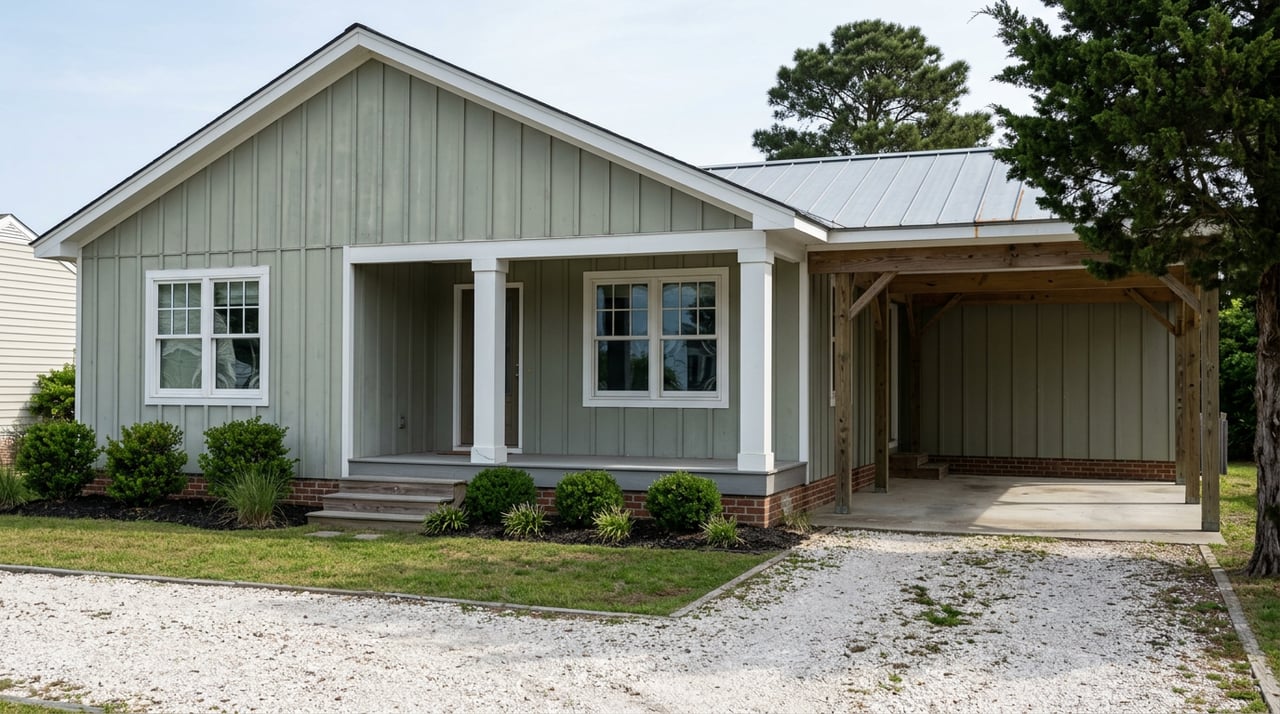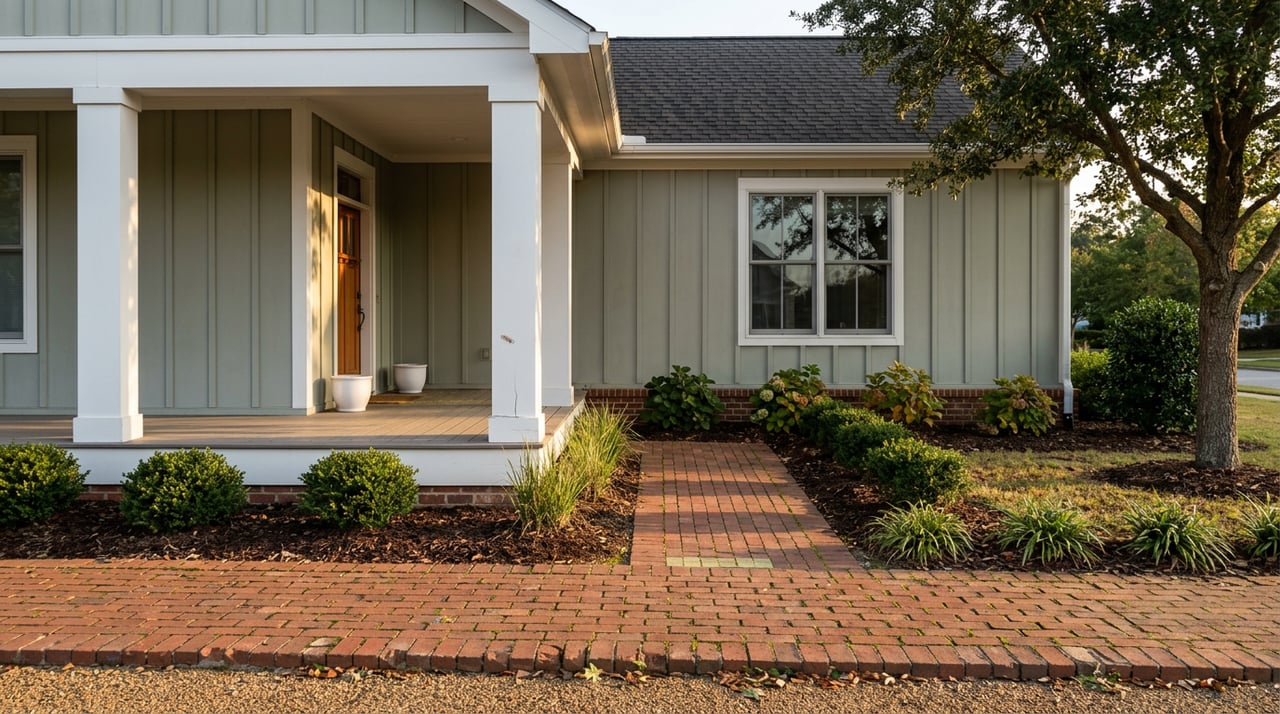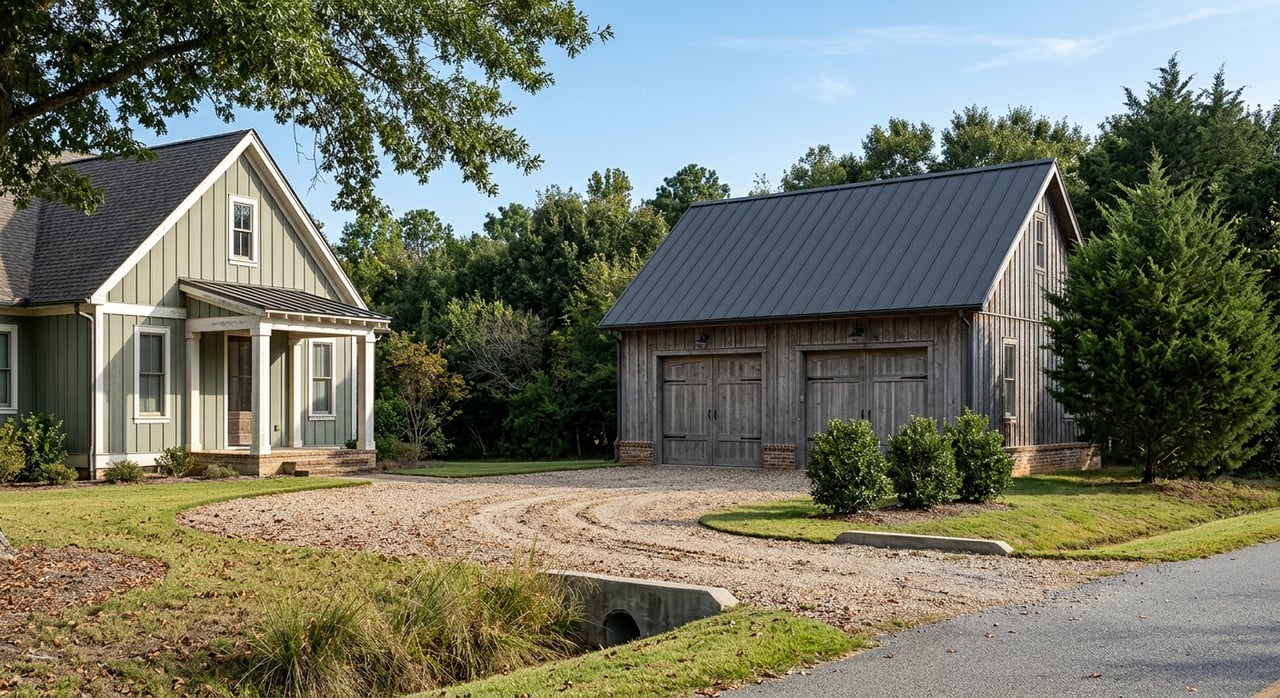
If you are planning a new build or major remodel in White Stone, the house design is only part of the story. In this part of Lancaster County, site conditions, permitting, shoreline rules, and septic or well approvals can shape your timeline just as much as your wish list. When you understand those moving parts early, you can make smarter decisions and avoid costly surprises. Let’s dive in.
Why site planning matters in White Stone
White Stone sits in a coastal setting shaped by the Chesapeake Bay, the Rappahannock River, and Lancaster County’s extensive shoreline. County materials note that these waters are a defining part of the area, with about 180 miles of shoreline across the county. That waterfront context is a big reason why planning here requires a close look at the land before you finalize your plans.
Lancaster County’s comprehensive plan makes the point clearly: floodplains, wetlands, septic suitability, high water tables, and other physical constraints strongly influence development. In practical terms, that means a beautiful floor plan may not be the best starting point. You usually want to confirm what the site can support before you decide on the footprint, elevation, drainage approach, or outdoor features.
That is especially true near tidal areas. White Stone has also highlighted shoreline-restoration work at Windmill Point, including beach restoration, breakwaters, dune revegetation, and dredging. That local context shows how important erosion, tidal exposure, and shoreline protection can be when you are evaluating a lot or planning improvements.
Start with the right jurisdiction
One of the first questions to answer is whether the property is inside White Stone town limits or outside them in Lancaster County. That distinction affects where you begin the approval process. If you get this wrong at the start, your planning timeline can slow down fast.
Inside White Stone town limits, a town zoning permit must be issued before new construction. The town’s application calls for a plot plan, construction plans, and water-supply and sewage-disposal information, along with a $25 filing fee. That makes early documentation important, even before you get deep into final construction details.
Outside town limits, Lancaster County handles zoning contact. County materials also state that Lancaster County does not issue zoning permits for the towns of White Stone, Irvington, or Kilmarnock. So before anything else, confirm exactly where the parcel sits and which office needs to review your project.
Know when permits are required
Many owners assume permits are only for ground-up construction, but major remodels often require them too. Lancaster County’s guidance says permits are required before construction, demolition, or equipment alterations. Ordinary repairs are exempt only if they do not affect structural elements, egress, or plumbing, mechanical, or electrical systems.
That means additions, significant interior rework, structural changes, and many system upgrades should be reviewed before work begins. Even if your project seems straightforward, it is wise to verify whether your scope crosses the line from simple repair into permitted work. Taking that step early can help you avoid delays, corrections, or re-submittals later.
County application materials also say incomplete applications will not be accepted. If ownership differs from tax records, a deed is required with the permit packet. For many projects, organization is not just helpful, it is part of getting approved.
Septic and well approvals are early priorities
In White Stone and the surrounding rural areas, septic and well planning is not something to leave until the end. Three Rivers Health District serves Lancaster County, and its environmental health guidance states that onsite sewage and water services are vital in rural communities. That makes these approvals a core part of project planning, not a side task.
The district’s forms show separate construction-permit processes for sewage disposal and private wells. This matters because the approvals run on their own track and can affect what you build, where you build it, and when you can move forward. If you are building new or making major changes that affect the site, these details need attention early.
Timing matters here too. Construction permits are valid for 18 months, and an operation permit is needed before a certificate of occupancy can be issued. A private well must also be approved before that operation permit can be issued, which means delays in water or sewage approvals can affect your final occupancy timeline.
Flood zones and water conditions can shape the plan
Flood risk is a major planning factor in this area. Lancaster County’s GIS guide says its digital flood maps are based on FEMA’s flood insurance study for the county, effective October 2, 2014, and identify A, AE, VE, and X flood zones. If your lot is near water or low-lying land, this review should happen before you commit to your final design.
The county’s comprehensive plan says floodplain development requires a zoning permit and a site plan showing existing and proposed topography, the 100-year flood elevation, and the first-floor elevation of future residential structures. County building-permit materials also require a flood elevation certificate when applicable. These are not small details, because they can influence house height, foundation type, grading, access, and budget.
High water tables also matter beyond flood zones. The county’s comprehensive plan notes that high water tables can make soils unsuitable for septic systems, while shrink-swell soils can damage foundations. That is one reason experienced site evaluation is so important in White Stone, especially if you are hoping to create a long-term river retreat or seasonal home with minimal surprises.
Waterfront overlays and buffers matter
If the property is near tidal waters or wetlands, overlay rules may affect what you can do. Lancaster County’s Waterfront Residential Overlay W-1 applies to certain parcels recorded on or after May 11, 1988 that lie within 800 feet of tidal waters and wetlands. Under that overlay, a two-acre minimum and a 100-foot waterside buffer are required, and development must satisfy both the underlying district and the overlay, whichever is more restrictive.
This can affect how much usable area you have for the house, driveway, outdoor living spaces, and accessory features. It is one of the clearest examples of why lot lines alone do not tell the whole story. A parcel may look generous on paper, but buffers and overlay standards can narrow your practical building envelope.
The county also asks anyone planning to cut trees within 100 feet of tidal waters or wetlands to contact the Planning and Land Use Office first. If your vision includes opening a water view, clearing for an addition, or reworking the landscape, that call should happen before crews arrive.
Shoreline work has its own approval path
If your project includes shoreline changes, expect a separate layer of review. For work affecting tidal wetlands, subaqueous lands, beaches, or dunes, VIMS says a Joint Permit Application is a necessary step. County materials also note that local wetlands-board review can involve projects such as riprap, bulkheads, groins, jetties, living shorelines, and marinas.
County Joint Permit Application materials state that applications are forwarded to VMRC and may also be reviewed by the USACE, DEQ, VIMS, and the county wetlands board. In short, shoreline work is rarely a last-minute add-on. If your plans include erosion control, dock-area changes, or waterfront stabilization, build time for that review into your schedule.
Virginia policy and VIMS guidance say living shorelines are the preferred approach to tidal-shore stabilization unless best available science shows they are not suitable. If you are comparing hard stabilization to a living shoreline approach, an early site-specific review can help you understand what may fit the property and the approval pathway.
VIMS also notes that the Virginia DCR Shoreline Erosion Advisory Service can provide an on-site assessment and report on erosion-control options. For owners considering waterfront improvements, that can be a useful early step before locking in a final shoreline strategy.
Small structures can still trigger review
It is easy to focus on the house and forget the supporting pieces that make a property function well. In White Stone, those details can matter more than you think. Lancaster County permit guidance notes that even small accessory structures can trigger zoning and setback review.
That can include sheds and other structures that support outdoor living or storage. If your plan includes a workshop, pool support building, detached storage, or similar improvements, it is smart to review them as part of the full site strategy. Bundling those ideas into early planning can save time and reduce redesigns later.
Build your team early
A successful White Stone project usually depends on the right professionals working in the right order. Based on the local permit pathways, that often means coordinating with the White Stone zoning office if the property is in town, Lancaster County building and planning staff, Three Rivers environmental health, a surveyor, and septic and well professionals. If the site touches water or wetlands, a shoreline or wetlands consultant may also be important.
This is where local guidance becomes especially valuable. In a market where waterfront conditions, buffers, and septic feasibility can shape both cost and design, you want a realistic picture of the site before you get too attached to a plan on paper. That early clarity can protect your budget and help you make better long-term choices.
A smart first step for White Stone projects
The biggest takeaway is simple: in White Stone, construction projects are often won or lost during site planning. Before you finalize the footprint or outdoor program, confirm the jurisdiction, flood-zone status, septic and well feasibility, and any shoreline or wetlands constraints. That approach can save time, reduce stress, and help your project move forward with fewer surprises.
If you are buying land, evaluating a second-home project, or weighing a major remodel, it helps to work with someone who understands both the real estate side and the construction realities. Beth Groner brings deep homebuilding knowledge and local waterfront perspective to help you assess opportunities with confidence.
FAQs
What permits are needed for new construction in White Stone?
- If the property is inside White Stone town limits, a town zoning permit must be issued before new construction, and the application requires a plot plan, construction plans, and water-supply and sewage-disposal information. Outside town limits, Lancaster County handles zoning and building-related permit pathways.
Do major remodels in Lancaster County require permits?
- Yes, permits are required before construction, demolition, or equipment alterations, and ordinary repairs are exempt only when they do not affect structural elements, egress, or plumbing, mechanical, or electrical systems.
Why are septic and well approvals important for White Stone projects?
- In this rural area, onsite sewage and water services are a key part of project planning, and Three Rivers Health District requires separate approvals. An operation permit is needed before a certificate of occupancy, and the private well must also be approved before that permit can be issued.
How do flood zones affect building in White Stone?
- Flood-zone status can affect your site plan, required documentation, first-floor elevation, foundation approach, and overall project design. Lancaster County may require a flood elevation certificate and floodplain-specific site information when applicable.
What is the Waterfront Residential Overlay in Lancaster County?
- The W-1 overlay applies to certain parcels within 800 feet of tidal waters and wetlands and requires a two-acre minimum and a 100-foot waterside buffer, with the more restrictive rule controlling when overlay and base zoning differ.
What should I know about shoreline work near White Stone?
- Shoreline projects affecting tidal wetlands, subaqueous lands, beaches, or dunes typically require a Joint Permit Application and may involve review by multiple agencies and the local wetlands board. Living shorelines are the preferred approach to tidal-shore stabilization unless science shows they are not suitable.
Can sheds or other accessory structures require review in Lancaster County?
- Yes, even small accessory structures can trigger zoning and setback review, so it is smart to include them in your early site planning rather than treating them as an afterthought.