Dreaming of a small waterfront town where you can stroll to a marina or unwind on a wide river view? Urbanna gives you both. This tiny, historic river‑port on Urbanna Creek has fewer than 500 residents, which means micro‑location shapes your daily life as much as your floor plan. You will learn how in‑town cottages, harbor‑adjacent homes, and riverfront retreats differ in lifestyle, maintenance, and due diligence, plus what to check before you buy. Let’s dive in.
Why micro‑location matters in Urbanna
Urbanna’s heart sits inside the Urbanna Historic District, within walking distance of shops, restaurants, and the town marina. With such a compact footprint, a cottage two blocks from the marina feels very different from a 2‑acre river estate just outside town. That is why you should start with lifestyle first, then match the right home style and location to it.
- Town context: Urbanna is a historic river‑port with a 2020 population under 500. Learn more about the town’s background on the Urbanna page on Wikipedia.
- Marina access: The Urbanna Town Marina offers transient slips, pumpout, and basic services about two‑tenths of a mile from downtown, which explains why many listings highlight easy boat access.
- Historic fabric: The Urbanna Historic District includes 18th to early‑20th‑century homes that influence lot sizes, setbacks, and architectural styles.
Walkable in‑town cottages
Where you will find them
- In and around the Urbanna Historic District and the downtown grid near Virginia Street, Cross Street, and Watling Street.
- Often advertised as walkable to the marina, restaurants, and shops.
Typical lots and setting
- Smaller town parcels, often under 0.25 acre, close to the street with modest yards.
- Mature trees and varied driveway access due to historic street patterns and setbacks.
What homes are like
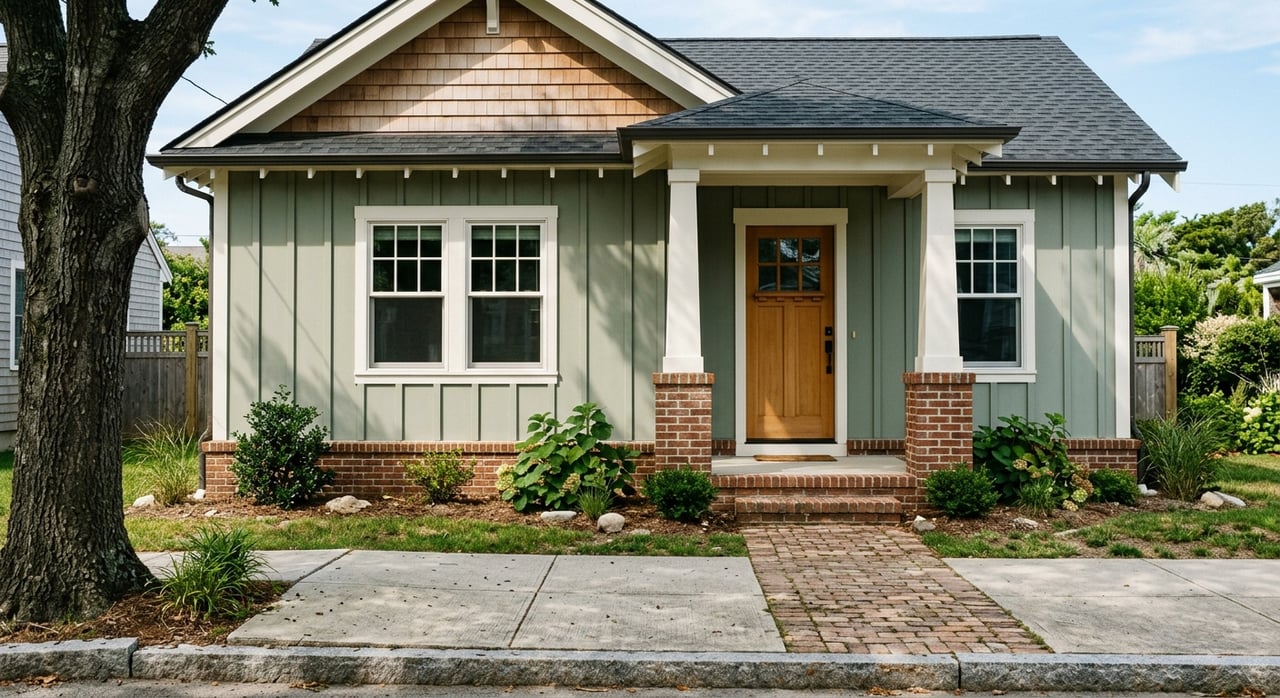
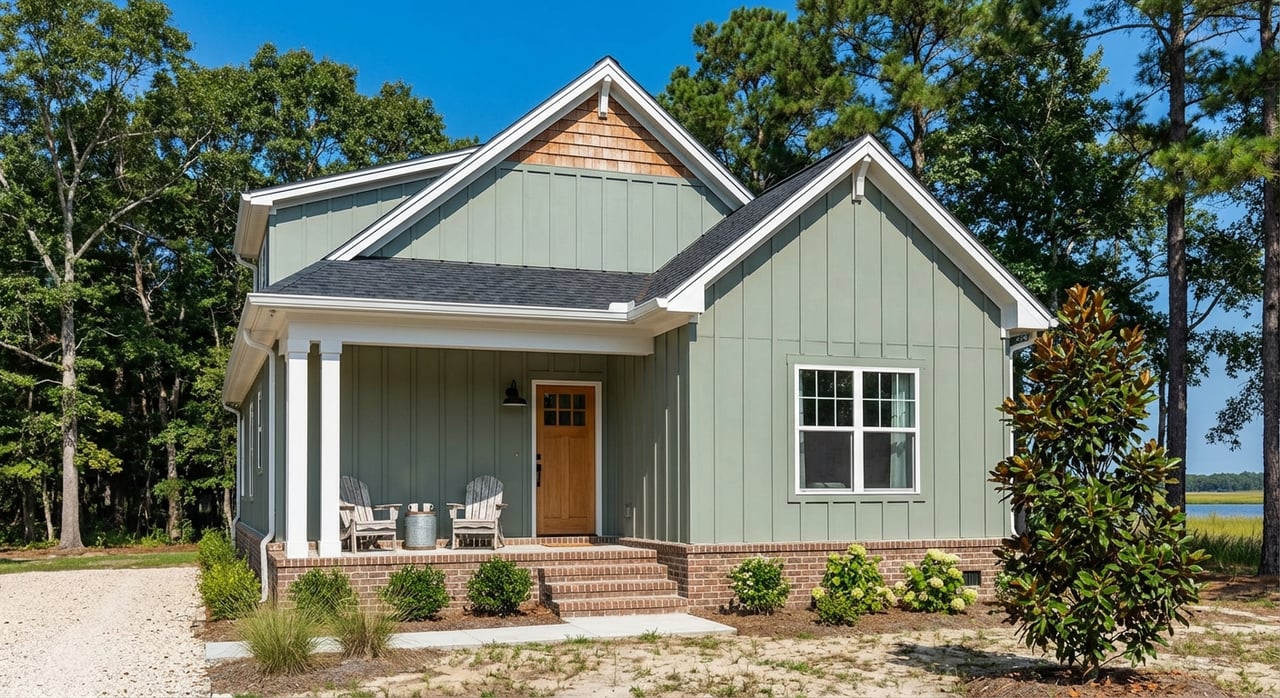
- A mix of pre‑20th‑century homes, bungalows, and small colonials, often 1–2 bedrooms with porches and compact kitchens.
- Many properties have town water. Sewer can be public or community system, so confirm for each address.
Price signals
- Typically the lower end of the Urbanna market relative to waterfront, with wide variation based on renovation level and any water views.
Best for
- If you value walkability, low yard work, and a historic town vibe, this is where to look. Older systems can vary, so focus inspections on electrical, HVAC, and plumbing.
Harbor cottages and creek homes
Where you will find them
- Along Urbanna Creek, Robinson Creek, and small tidal tributaries, often near the town marina or private marinas.
Typical lots and setting
- Many parcels range from about 0.2 to 1 acre, oriented for docks or community slips.
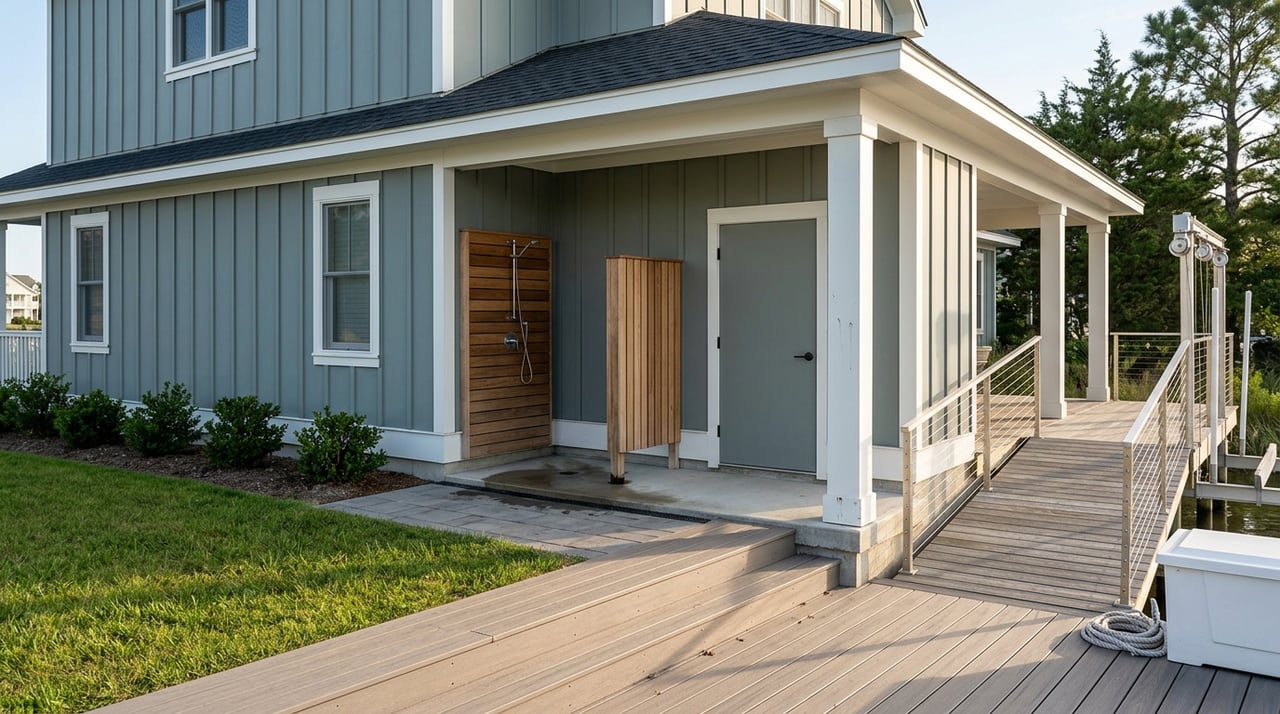
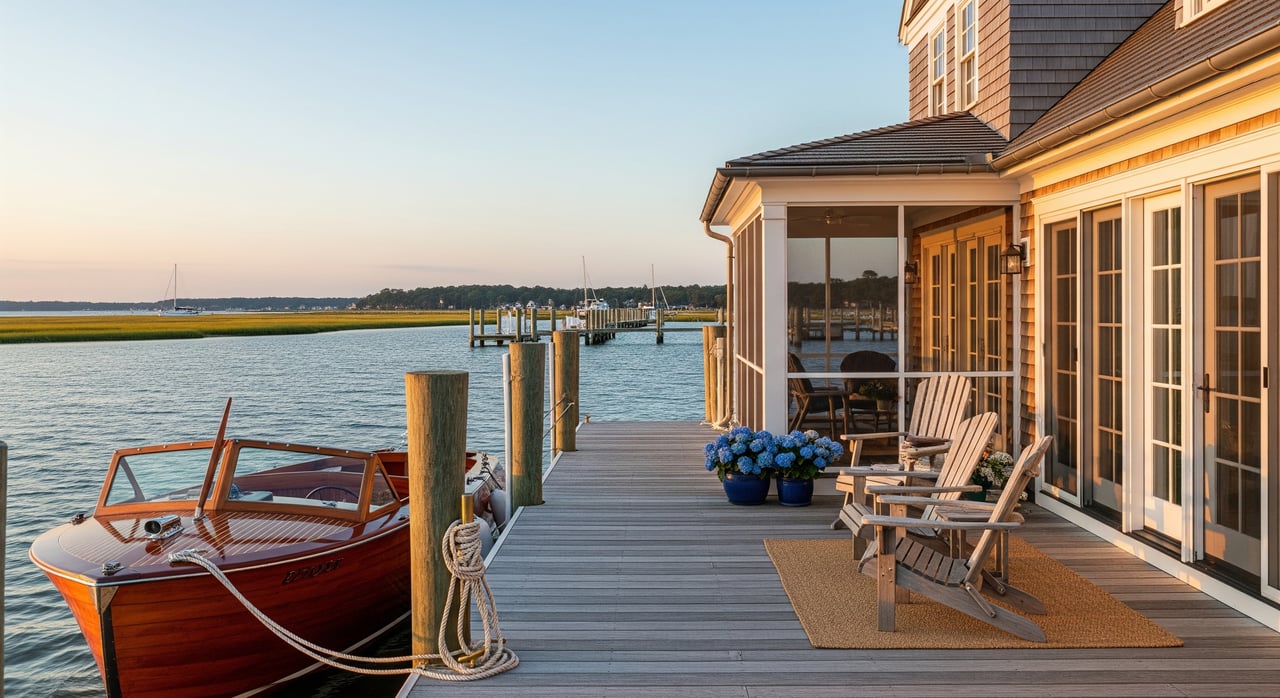
- Expect bulkheads, private piers, and boatlifts. Verify approach depth and mean low water for navigation. Marina details on approach and dockage at the Town Marina help frame local boating convenience.
What homes are like
- A mix of ranches, bungalows, and updated or contemporary homes designed to capture water views.
- Utilities vary: out‑of‑town parcels often use well and septic, while some creekside subdivisions have newer county water. Sewer is parcel specific.
Price signals
- Creekfront properties span a broad range, from mid‑six figures for smaller parcels to seven‑figure prices for larger homes with deep water and extensive improvements.
Best for
- Boaters who want private piers and quick launching with less acreage than large river estates, while staying close to downtown life.
Riverfront retreats
Where you will find them
- On the main stem of the Rappahannock River or wide, deeper‑water creeks a short drive from downtown.
Typical lots and setting
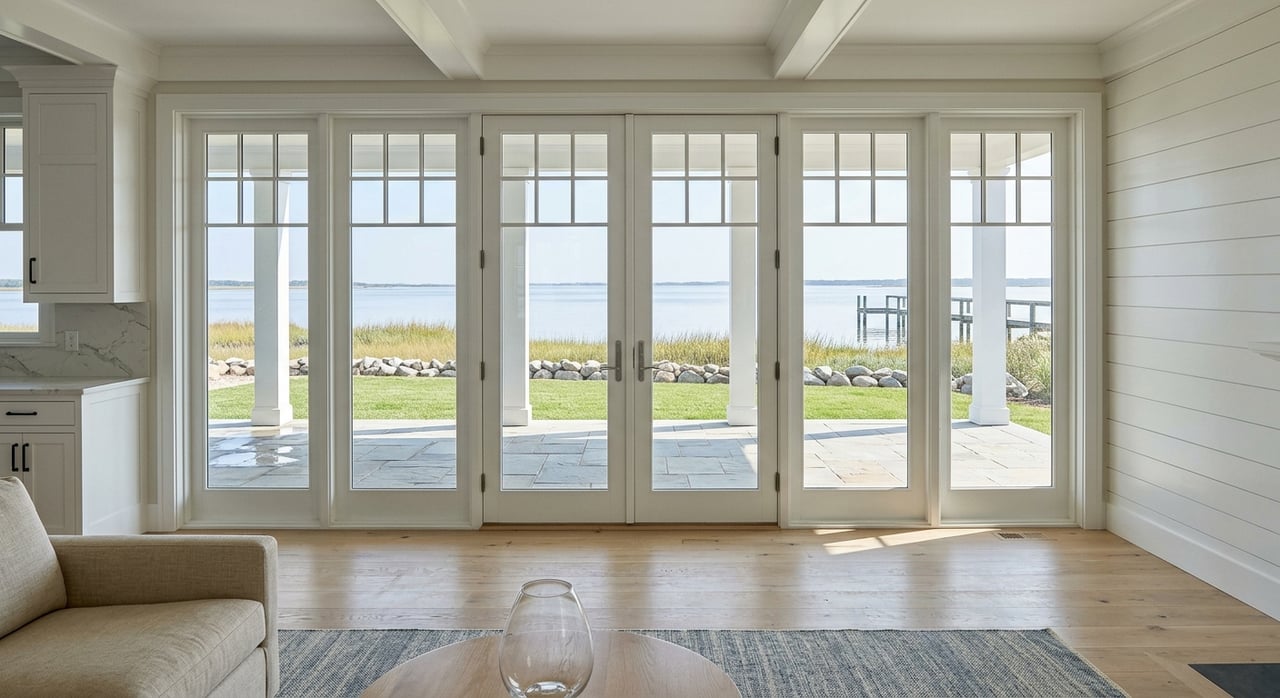
- Larger parcels, often 1–3 acres or more, with long water frontage and big‑view sightlines.
- Higher elevations when available, plus potential for private deep‑water docks or boathouses, subject to permits.
What homes are like
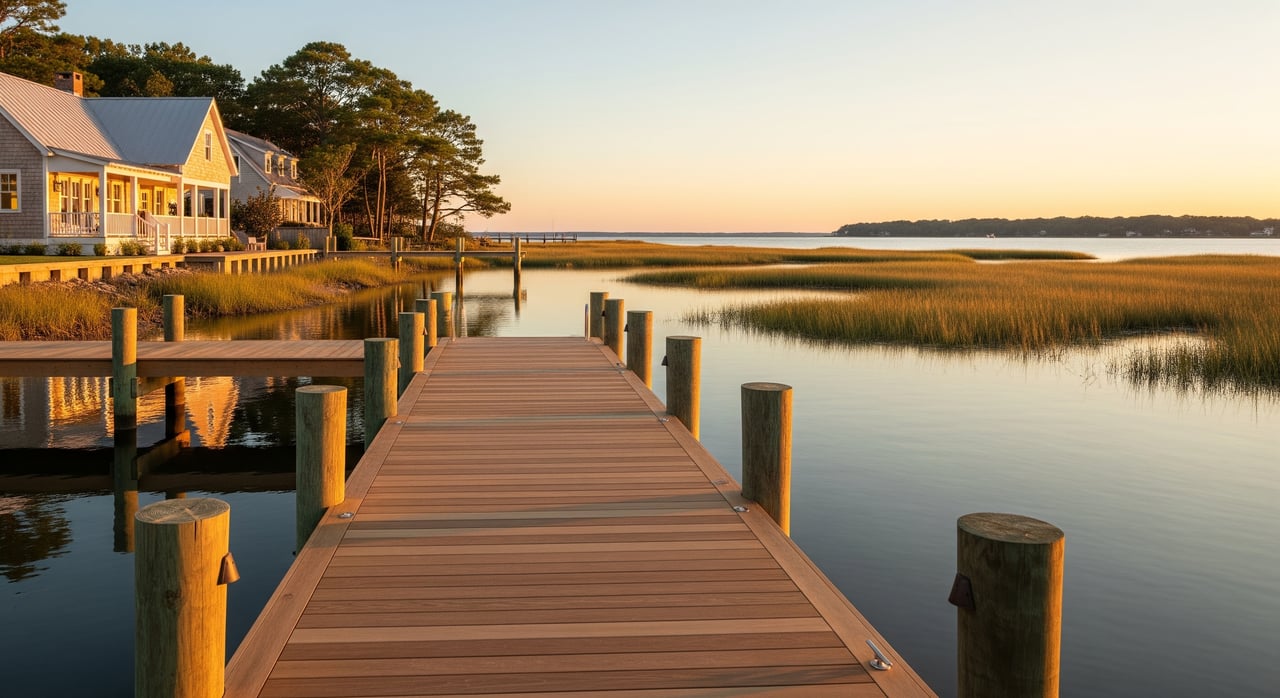
- Modern or substantially renovated multi‑bedroom homes with multiple living zones, large decks, garages, and robust mechanicals.
- Many owners add lifts, boathouses, or larger piers after permitting. Water and sewer can be private systems unless connected to a county project. See the Middlesex Water Authority for system updates.
Price signals
- Riverfront estates sit at the top of the local market, with seven‑figure examples common for turnkey properties with extensive waterfront amenities.
Best for
- Buyers who prioritize wide, navigable water, privacy, and room to spread out, and who are prepared for shoreline stewardship and permit responsibilities.
Waterfront rules and permits to know
Before you get attached to a view or a dock plan, build your due‑diligence checklist. These items can affect what you can build, insure, and maintain.
- Flood maps and elevation: Pull FEMA Flood Insurance Rate Map panels through the county’s FEMA Flood Maps page and the FEMA Map Service Center. If the property lies in an AE or V zone, lenders typically require flood insurance. Ask for any Elevation Certificate.
- Chesapeake Bay Preservation Act: Urbanna is subject to Virginia’s Bay Act buffers. Request the property’s Resource Protection Area mapping and any prior approvals. Read state guidance on the Chesapeake Bay Preservation Act.
- Docks, piers, and shoreline projects: Most pier or boathouse repairs and expansions need permits. Start with the Virginia Marine Resources Commission habitat permits database and ask for any prior permits or as‑built drawings.
- Septic and well: Many parcels rely on onsite systems regulated by Virginia VDH. Tight coastal lots may require alternative systems. Review VDH regulations for onsite sewage systems in the Virginia Administrative Code reference and obtain inspection records.
- Public water and sewer: Availability is parcel specific. Confirm service and planned extensions with the Middlesex Water Authority.
- Climate and tidal flooding: High‑tide nuisance flooding is increasing across the Chesapeake Bay region. Consider long‑term exposure for low‑lying sites. Learn more from NOAA’s overview.
Your Urbanna buyer checklist
Use this quick reference before you write an offer.
- Flood zone and elevation. Check county flood layers and the FEMA Map Service Center. Request any Elevation Certificate and the seller’s flood‑loss history.
- Shoreline structures and permits. Ask for VMRC, USACE, and DEQ permits and as‑built drawings for bulkheads, piers, lifts, or boathouses. Start your search in the VMRC permit records.
- Septic and well. Obtain septic inspection, pump records, and any repair permits. Confirm well test results. VDH governs onsite systems under the state regulations.
- Shoreline condition. Have a qualified contractor inspect bulkheads, pilings, and riprap. Request written estimates for any significant repairs.
- Utilities and connectivity. Confirm public water or sewer availability and any planned projects through the Middlesex Water Authority. Check fiber or cable options if you work remotely.
- Neighborhood fit. Walk the distance to the town marina to gauge true walkability and consider seasonal impacts like the Urbanna Oyster Festival weekend.
- Resale exposure. If a property includes specialized waterfront features, verify that permits transfer and clarify ongoing maintenance obligations.
How to choose your Urbanna fit
If you want low maintenance and daily walks to coffee and the docks, start with in‑town cottages. If boating is your priority and you want your own pier without managing multiple acres, focus on Urbanna Creek or Robinson Creek. If you want the big‑water Rappahannock experience with privacy and room to host, target riverfront estates and prepare for shoreline stewardship.
You do not have to figure this out alone. With 30+ years of homebuilding experience and deep waterfront knowledge, you will get clear guidance on inspections, docks, shoreline rules, and systems so you can buy with confidence. When you are ready, schedule a personalized market consultation with Beth Groner.
FAQs
What types of homes can I find in downtown Urbanna?
- Mostly historic cottages and small bungalows on compact lots near the marina, with some larger restored homes mixed in and town water common in many properties.
How does flood zoning affect buying a waterfront home in Urbanna?
- If a property is in an AE or V zone, most lenders require flood insurance, so check the county’s FEMA page and the FEMA Map Service Center and request any Elevation Certificate.
What permits do I need for a new or rebuilt dock in Middlesex County?
- Most docks, lifts, boathouses, and bulkheads require permits through VMRC and may involve USACE or DEQ reviews, so ask for prior permits and review the VMRC online records.
Are public water and sewer available for Urbanna properties?
- Many homes use private wells and septic systems, but some areas have public water or planned extensions, so confirm service with the Middlesex Water Authority for each parcel.
How do Urbanna home prices vary by location?
- In‑town cottages often sit at the lower end of the market, creekfront properties range from mid‑six figures into seven figures, and riverfront estates typically lead the market.
What should I check first when touring a waterfront listing in Urbanna?
- Confirm flood zone and elevation, inspect shoreline structures, verify septic and well status or public utilities, and review any permits for docks, lifts, or shoreline work.