Ever wonder what it actually feels like to live each day in a small Chesapeake Bay town where the tides set the tempo? If you are picturing boat wakes, friendly waves at the marina, and a slower, more intentional pace, you are on the right track. Deltaville blends year-round neighborly routines with a summer buzz of visiting boaters and weekend homeowners. In this guide, you will learn how daily life flows across the seasons, how you get everyday services, and what to consider if you plan to buy a home here. Let’s dive in.
Deltaville at a glance
Deltaville sits at the edge of Middlesex County where the Piankatank and Rappahannock river systems meet the Chesapeake Bay. Much of the area is waterfront or along tidal creeks, and that shapes everything from weekend plans to home upkeep. The community is low density with clusters of homes near crossroads, marinas, and the small commercial center. Many properties use private wells and septic systems, and you travel by car for most errands via Route 33 and other state roads.
You will meet a mix of full-time residents, retirees, and seasonal owners. In warm months, visiting boaters and second-home households boost the population. The result is a friendly waterfront culture with strong ties to marinas, fishing, and local events.
How the seasons set your routine
Daily life looks different in spring, summer, fall, and winter. Knowing the rhythm helps you plan errands, social time, and home projects.
Spring: Prep and launch
Spring is the start of boat launches and yard work. Marinas and service yards get busy with rigging, hauling, and bottom work. Dining hours begin to expand and local events pop back onto calendars. The weather is mild, which also makes it a good window for house hunting and inspections before peak crowds.
Summer: Peak energy
Summer is the lively season. Marinas fill up, fuel docks are active, and restaurant patios hum on weekends. Days often start early on the water with fishing or cruising, then shift to swimming and dockside gatherings. Expect more traffic on weekend afternoons and longer waits for popular services. If you are a weekender, plan grocery runs earlier in the day and make reservations where you can.
Fall: Golden and quieter
Boating stays strong into early fall with crisp mornings and excellent views. As the season tapers, owners start winterizing. Many full-time residents love this window because it is relaxed but still warm enough for outdoor time.
Winter: Calm and practical
Winter quiets the pace. Some restaurants and seasonal shops reduce hours. Boat work continues in yards, but you will find fewer visitors. Community life turns to indoor gatherings, churches, schools, and civic groups. Be ready for storms and nor’easters that can affect power or access. You will appreciate a good storm kit and a reliable generator plan.
Daily services and where you get them
You can cover basics in town, but you will drive to nearby hubs for larger runs.
- Groceries and dining: Small groceries, convenience markets, and locally owned restaurants cover daily needs. For broader selection or big-box shopping, plan trips to nearby towns like Urbanna, Kilmarnock, or Gloucester. In shoulder seasons, call ahead to confirm hours.
- Healthcare: Routine care can be found in and around Middlesex County. Hospitals, emergency departments, and many specialists are in larger regional centers, so plan for drive time. If you are retiring here, research home health and assisted living options early since choices may be limited locally.
- Schools: Middlesex County Public Schools serve the area. Contact the district directly for current enrollment and program details.
- Utilities and waste: Many homes use private wells and septic systems, so inspections and maintenance are key. Trash and recycling follow county schedules. Power outages can last longer than in urban areas after storms, so plan ahead.
- Internet and cell: Coverage varies by neighborhood. Some areas have high-speed fiber or cable; others rely on DSL, fixed wireless, or satellite. Cell service can be spotty near the water and in wooded pockets. If remote work is a must, verify service and speeds by exact address before you buy.
Boating and waterfront culture
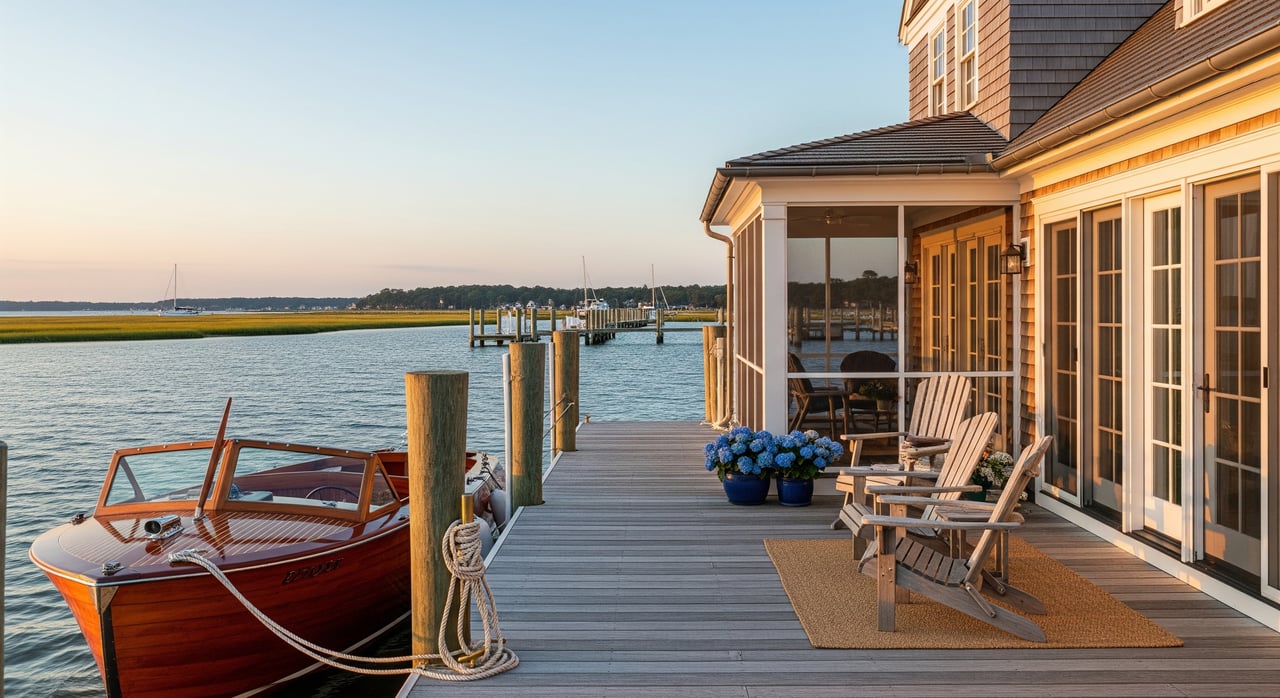
Boating is part of daily life here. You will find marinas, launch ramps, fuel docks, charters, and service yards that support everything from skiffs to sport-fishing boats and bluewater sailboats.
- Routines you will see: In summer, mornings are for safety checks, tide planning, and launch. Midday is for cruising, fishing, or anchoring out. Evenings often end with dockside meetups or waterfront dining. Off-season, you shift to maintenance and upgrades.
- Services and schedules: Boat hauling, storage, rigging, and bottom work are year-round, with spring and fall as peak months. If you need specialty work, book ahead in those windows.
- Ownership details: Some homes have private docks, others rely on marina slips or community docks. Confirm who owns or maintains the slip, what the hurricane protocols are, and whether permits are current for any dock or lift. Tidal range and draft matter for navigation, so understand your channel routes and storage options.
Waterfront changes such as docks, bulkheads, or dredging are regulated and often require permits. If you plan to build or modify shoreline structures, factor in approvals and timelines.
Full-time living vs weekend living
Both can work well in Deltaville. It helps to be honest about your habits and expectations.
- Access to services: Full-time residents build routines around longer drives for specialized services. Weekenders bring supplies and plan around seasonal hours.
- Social life: Full-time neighbors often join civic groups, volunteer roles, and year-round activities. Weekenders enjoy a summer buzz with gatherings centered on boating and outdoor fun.
- Property upkeep: Full-time owners budget for ongoing systems and storm readiness. Weekenders focus on security, winterization, and possibly paid help for routine maintenance when they are away.
- Investment lens: Homes ready for year-round living appeal to a broad market of retirees, families, and remote workers. Properties optimized for seasonal use can perform well in summer but may have more variable occupancy and local rules to follow for short-term rentals.
Home and property realities to plan for
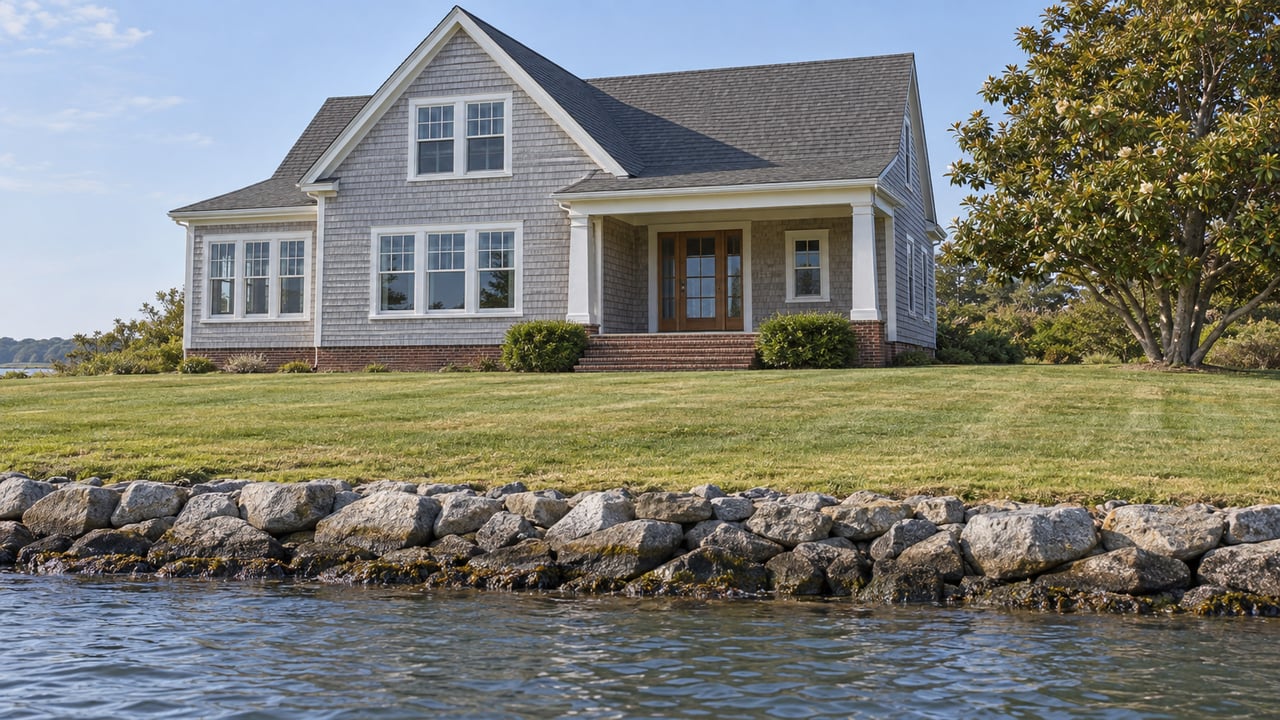
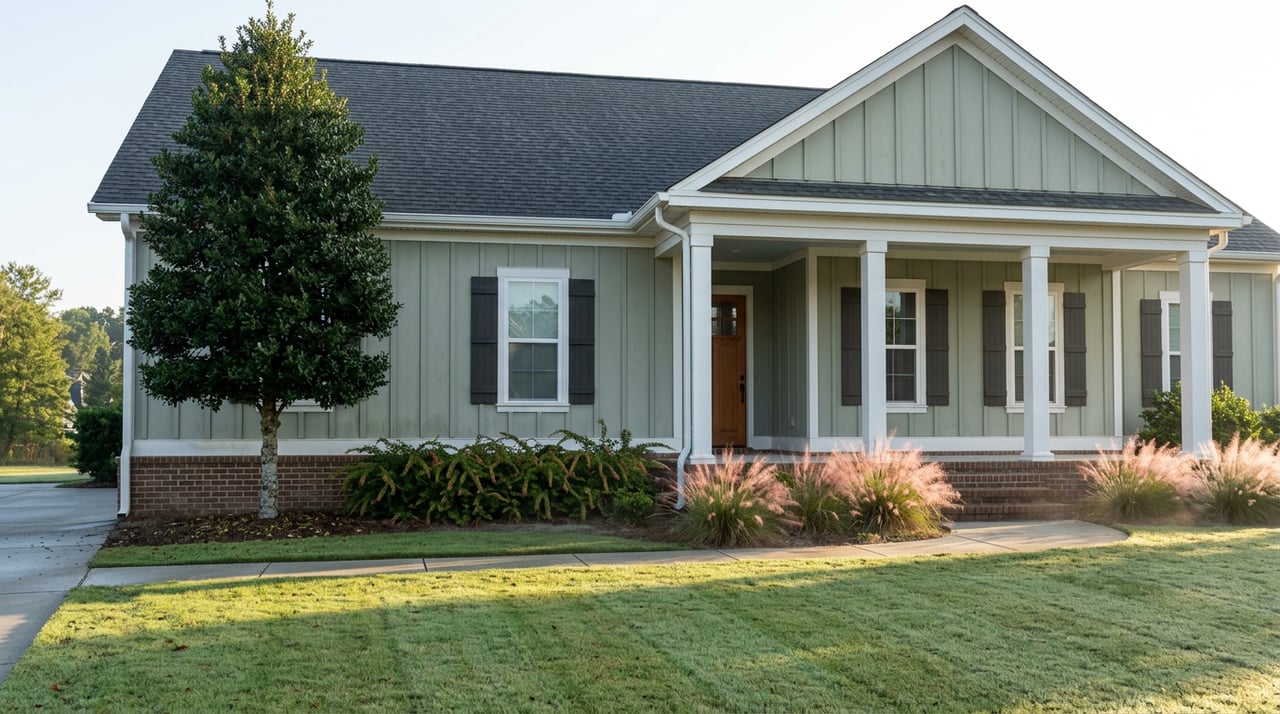
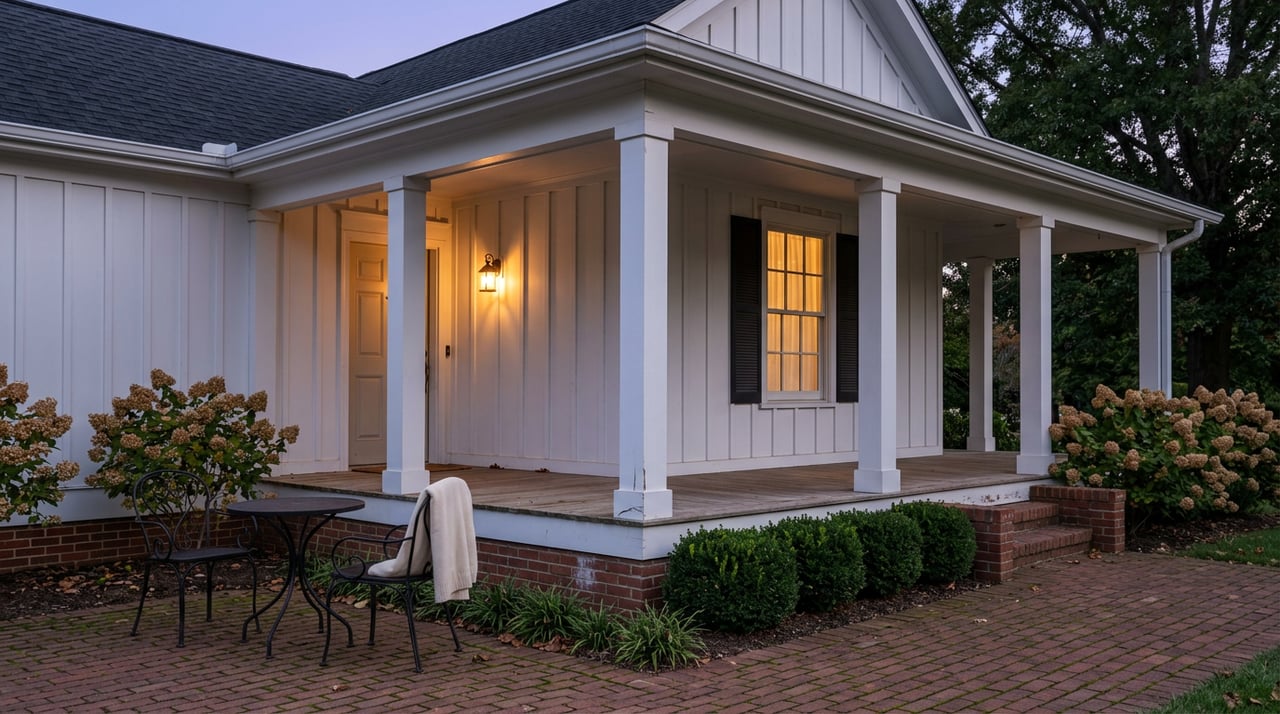
Deltaville’s housing leans toward single-family homes. You will see classic waterfront cottages, modest older houses, and newer custom builds. Condos are less common. Many buyers are second-home owners, which shapes seasonality and neighborhood patterns.
- Flood and insurance: Many waterfront properties fall within FEMA flood zones. Lenders often require flood insurance, and premiums depend on elevation, mitigation, and claims history. Ask for recent elevation certificates and verify the flood zone.
- Septic and wells: Most homes are on private systems. Get septic inspections and pump records, confirm well water quality, and keep maintenance on a schedule.
- Dock and shoreline: Budget for ongoing maintenance of docks, bulkheads, seawalls, and erosion control. If the property has a lift or community slip, confirm how repairs are handled and who pays for what.
- Financing: Lenders may require extra inspections for vacation homes or properties with docks. Expect underwriting differences if you plan to use the home seasonally or as a rental.
Weather, water, and resilience
The Chesapeake Bay moderates temperatures, so summers are hot and humid while winters are relatively mild. Storms can bring heavy rain and storm surge. The region is affected by sea-level trends, so elevation and drainage matter for both daily life and long-term planning.
Practical steps include mapping your evacuation plan, storing storm supplies, and exploring floodproofing or living shoreline options where appropriate. If you plan a shoreline project, understand the tradeoffs between hardening and nature-based solutions and factor in permits and timelines.
Community life and easy ways to plug in
Community anchors include the Deltaville Maritime Museum, volunteer fire and rescue, churches, and local clubs. Seasonal festivals, regattas, and community fairs create strong social touchpoints. Volunteering is one of the fastest ways to meet people, learn how things operate, and get the inside scoop on local contractors and service providers.
If you are new, show up to an event, chat with dockmasters and museum volunteers, and ask neighbors about their favorite routines. You will find that most people are glad to share tips.
What a typical day might look like
- Morning: Weather and tide check, coffee on the porch, then a quick run to a local market or a launch at the ramp. Contractors and service providers are out early, especially in spring and fall.
- Midday: Boat time, yard projects, or errands to a nearby town for bigger shopping. In summer, families split time between swimming and fishing while others relax at the dock.
- Evening: Sunset on the creek or a casual waterfront meal. In winter, you may swap dock chats for a civic meeting, church event, or a potluck with neighbors.
Quick buyer checklist
Use this to frame your due diligence.
- Verify FEMA flood zone, elevation certificate, and expected insurance costs.
- Confirm septic permit status, pump history, and well water quality.
- Check dock, boat lift, slip ownership, permits, and maintenance responsibilities.
- Test internet speeds and cell coverage at the actual address.
- Ask about seasonal business hours and your nearest full-service grocery and hospital.
- Inspect access roads and understand winter maintenance routines.
- Review county rules on docks, shoreline work, and short-term rentals if relevant.
Is Deltaville a fit for you
If you love the water, value a friendly small-town pace, and are comfortable planning around seasonal hours and longer drives for specialized services, Deltaville delivers a rewarding daily life. If you want big-box convenience around the corner or nightlife every night, it may feel too quiet in winter. The good news is that with the right property and preparation, you can enjoy a lifestyle that centers on the Bay while still accessing what you need nearby.
Ready to explore homes, docks, and shoreline details that match your lifestyle and budget? Reach out to Beth Groner for a personalized plan that blends local market insight with construction-savvy guidance.
FAQs
What is daily life like in Deltaville in winter
- It is quiet with reduced hours at some restaurants and shops, more indoor community events, and a practical focus on maintenance and storm readiness.
How do I handle groceries and errands as a new resident
- You will use local markets for basics and drive to nearby towns for broader selection, so plan a weekly list and combine errands to save time.
What should I know about docks and permits before buying
- Confirm ownership and maintenance of any slip or dock, verify permits, and understand hurricane protocols and draft needs for your boat.
Is internet reliable enough for remote work in Deltaville
- It depends on the address since coverage varies by neighborhood; always test speeds and confirm provider options at the specific property.
Do most waterfront homes require flood insurance
- Many do, especially in FEMA flood zones; costs depend on elevation, mitigation, and claims history, so ask for the elevation certificate and get quotes early.