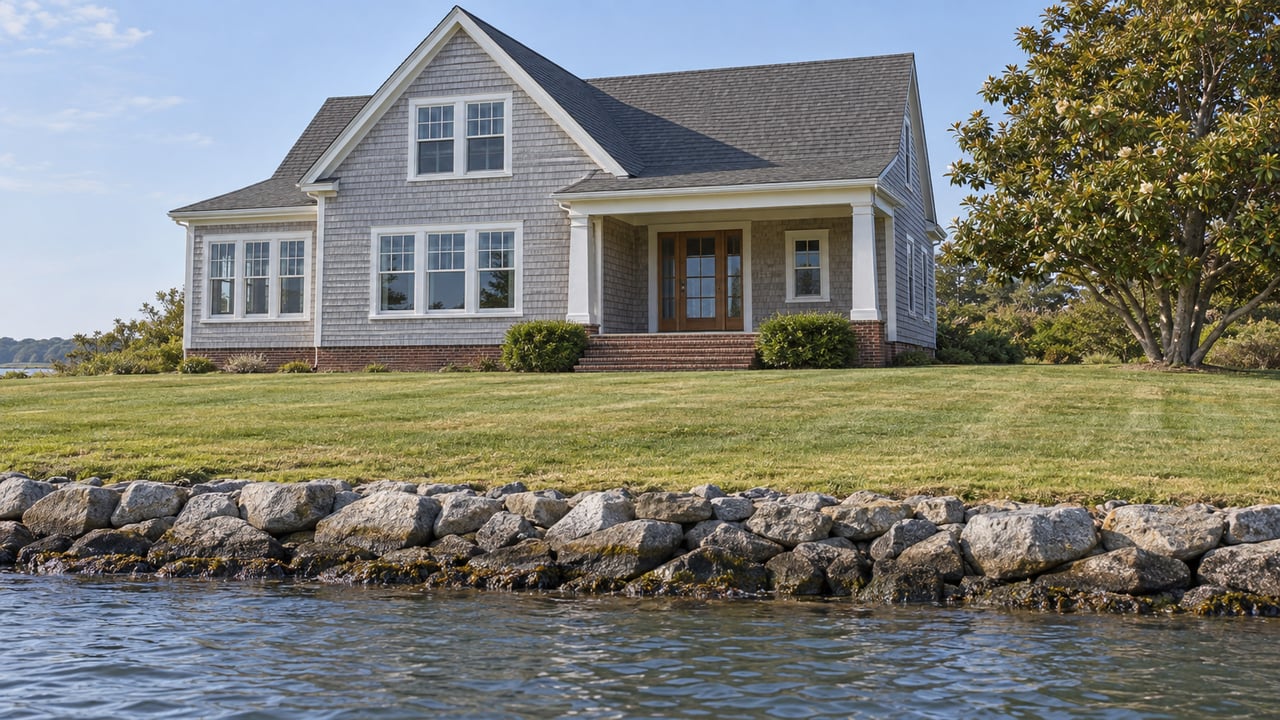
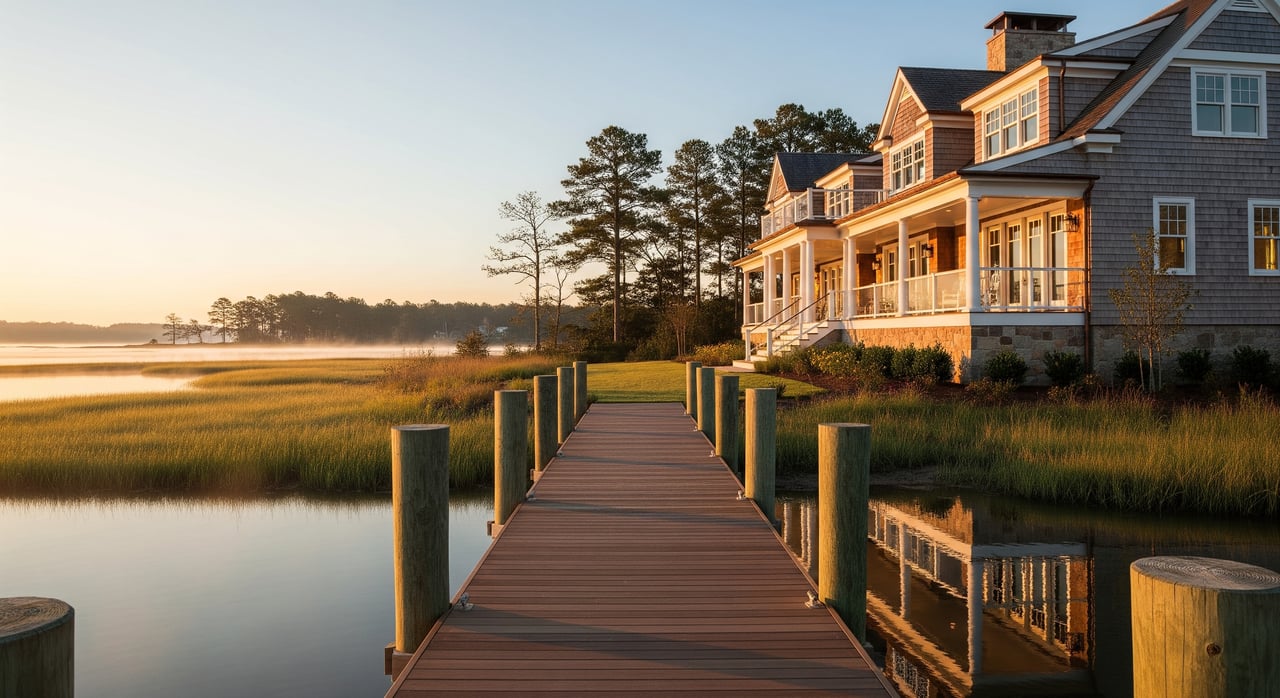
Your White Stone escape should feel easy the moment you pull into the driveway. But when you only visit on weekends, small issues can turn into big projects fast. You want a simple way to keep your waterfront home ready, your dock safe, and your stress low. This practical guide gives you step-by-step seasonal routines, remote monitoring tips, vendor checklists, and a service calendar tailored to White Stone and Lancaster County. Let’s dive in.
Know the local rhythm and risks
White Stone sits on Virginia’s Northern Neck, where summers are humid, storms can be intense, and winters are generally milder than inland areas. Hurricane season runs June through November, so plan around wind, heavy rain, and occasional storm surge. For weather alerts and seasonal patterns, keep an eye on the National Weather Service’s regional updates at weather.gov.
Coastal conditions also bring salt air corrosion, which is tough on metal hardware, HVAC components, and dock electrical gear. Moisture in shoulder seasons can increase mold risk, especially in basements or crawlspaces. A simple, consistent routine is your best defense.
If you plan dock or shoreline work, start early on permits. Most in-water work, including piers, bulkheads, and living shorelines, is regulated by the Virginia Marine Resources Commission. Confirm needs and timing with the VMRC and Lancaster County’s building and zoning team at lancova.com. Shoreline best practices and living shoreline options are outlined by the Chesapeake Bay Program.
Set up simple seasonal routines
You can prevent most problems with repeatable checklists. Use the lists below as a starting point, then tailor them to your property.
Spring opening checklist
- HVAC: change filters, test heat and AC, and confirm the defrost cycle if using a heat pump.
- Plumbing: inspect for leaks, test shutoffs, flush water lines, and exercise exterior hose bibs.
- Electrical: test GFCIs and inspect the panel for corrosion. Test your generator and transfer switch if installed.
- Appliances: run refrigerator and freezer diagnostics, clean dryer vents, and test washer and dishwasher.
- Interior: check for odors, mold, or pests; run a dehumidifier if humidity trends above 60 percent. Inspect attic, crawlspace, and sump.
- Exterior: inspect roof, clear gutters, confirm downspouts direct water away from the foundation, and check siding, decks, and railings.
- Dock and lift: inspect pilings, fasteners, cleats, electrical pedestals, and lift cables and motors. If you see fraying or corrosion, call a lift specialist before operating.
Fall and winter closing checklist
- Plumbing: if the home will be unheated, drain the lines and winterize the irrigation. If heated, keep thermostats around 55–60°F and use smart leak sensors with an automatic shutoff valve.
- Leak prevention: place water sensors under sinks, near the water heater, and by the main line. Consider a whole-house shutoff you can control remotely.
- HVAC and humidity: schedule service, replace filters, and set dehumidifiers to stay under 60 percent.
- Septic and well: pump the septic system every 3–5 years per EPA guidance and test well water annually through the Virginia Department of Health if you drink it.
- Interior readiness: remove perishables, defrost and prop open the refrigerator if you will be away long term, and store linens in breathable covers.
- Exterior and dock: secure furniture, winterize outdoor plumbing, and prepare the lift per your technician’s guidance. Remove nonessential electronics from the dock.
- Security: verify alarm functionality, update smart lock codes for vendors, and confirm exterior cameras have clear views of entry points and the dock.
Routine maintenance cadence
- Monthly while in use: quick walk-through for leaks, run water through rarely used fixtures, and check for pests. Walk the yard after heavy weather.
- Quarterly: change filters, test smoke and carbon monoxide detectors, inspect gutters and roofline, and test the generator.
- Annually: schedule HVAC service, chimney inspection if applicable, septic service as needed, and a full exterior check for salt-air corrosion on metal hardware, rail fasteners, and dock components.
Dock and lift basics for the Bay
Storm surge and wind are the leading causes of dock damage in our region. Saltwater accelerates corrosion, and marine growth increases friction on pilings and floats. Ice is less common here than farther north, but it can form in cold snaps, especially in protected coves. Before any in-water work, confirm permit triggers with the VMRC.
Spring dock prep
- Inspect pilings, hardware, decking, rails, and cleats. Replace failing fasteners with the correct marine-grade options.
- Open electrical pedestals and look for corrosion. Test GFCIs and confirm covers seal properly.
- Inspect lift cables, pulleys, motors, and limit switches. Do not run the lift if you see fraying or corrosion.
- Photograph serial numbers and condition for your seasonal log and insurance file.
Pre-storm actions
- Remove loose items, dinghies, and furniture from the dock.
- If safe to do so, raise boats on lifts and secure covers. For smaller boats, follow local marina advice about haul-out.
- Add extra lines, chafing gear, and redundant connections. Label lines for easier re-rigging after the storm.
- Disconnect nonessential dock loads and cover outlets where possible.
Fall and winter for absentee owners
- Remove shore power cords, plug-in timers, and nonessential electronics. Store them indoors.
- Coordinate with a certified lift technician for winterizing. Some lifts are stored down, others need motors removed. Follow manufacturer and technician guidance.
- Inspect floats and attachment points. If ice risk is likely, discuss de-icers or bubblers with a local pro. These systems draw power and may have local rules, so confirm requirements with the VMRC.
- Keep a seasonal dock log with photos, serial numbers, and vendor contacts for quick reference and insurance claims.
Remote monitoring that works when you are away
When you cannot be onsite, simple, reliable systems protect your investment and reduce surprise service calls.
- Security: a monitored alarm with door and window sensors. Some insurers look favorably on monitored systems.
- Video: exterior cameras with cloud recording and motion alerts. Aim cameras at your property only and avoid neighboring yards for privacy.
- Environmental sensors: place water sensors at risk points, add freeze and temperature sensors, and track humidity in basements or crawlspaces. If you have a sump pump, use a status sensor.
- Power and critical loads: smart energy monitors or plugs on the refrigerator, sump, and well pump. If you have a generator, choose one with automatic start and remote status.
- Water shutoff: integrate leak sensors with an automatic main shutoff so you can stop a leak remotely.
- Smart access: use smart locks for vendors and set time-limited codes. Maintain an audit log.
- Connectivity: invest in reliable internet with cellular failover so your alerts keep flowing during outages.
Keep things simple. Document key codes and steps in a short SOP for local helpers, and test your alerts quarterly. For policy compliance and coverage, review vacancy clauses and monitored system requirements with your insurer. The Insurance Information Institute is a helpful resource when you evaluate coverage details.
Choose and manage local vendors with confidence
Lining up the right pros before you need them is the best way to keep weekends stress free.
Common vendor categories include a local caretaker, HVAC technician, plumber, electrician, dock and lift technician or marina, lawn and tree care, pest control, septic and well services, general contractor, and cleaning or linen services.
Use this vetting checklist:
- Licensing: verify state licensure at the Virginia DPOR when applicable, and confirm permit history for bigger projects.
- Insurance: request proof of general liability and worker’s compensation coverage or proper waivers.
- References: ask for recent projects similar to yours and call the references.
- Scope and terms: get a written estimate with start and end dates, materials, and a clear change order process. Avoid large upfront payments and request lien waivers upon final payment.
- Access and security: use a lockbox or smart lock with time-limited codes. Ask for photo ID and keep a key log.
- Emergency support: confirm after-hours availability and surcharges in advance.
Where to find pros:
- Start with Lancaster County resources at lancova.com, local marinas, and neighbor referrals.
- For marine work, ask marinas which technicians handle your lift manufacturer and understand VMRC permit triggers.
- Cross-check DPOR licensure and look for consistent reviews and recent local experience.
To keep everything organized, build a master contact list and a shared folder with checklists, photos, invoices, warranty info, and permit copies. Pre-book spring work early because lift technicians, marinas, and HVAC pros fill calendars fast. For lawn and pest control, set recurring seasonal contracts with clear start and stop dates.
Your seasonal service calendar
Use this calendar to plan ahead around the Northern Neck’s climate and storm season.
Monthly (or via caretaker)
- Interior and exterior walk-through, leak check, and camera review.
- Run water in all fixtures and check under sinks.
- Replace HVAC filters more often during heavy summer use.
Quarterly
- Test generator and transfer switch.
- Inspect gutters and the roofline after any major storm.
- Quick HVAC check, including drain lines and outdoor units.
Spring (March–May)
- Commission dock and lift, and confirm electrical pedestals are safe.
- HVAC pre-summer tune and filter change.
- Septic check if due, plus landscaping ramp-up and pest treatment.
- Start any permitted exterior projects early to avoid summer backlogs.
Summer (June–August)
- Increase monitoring during hurricane season. After any system alert or storm, have your caretaker do a quick check with photos.
- Maintain lawn and pest service visits as scheduled.
Fall (September–November)
- Complete house closing checklist. Decide whether to heat to 55–60°F or fully winterize plumbing.
- Secure furniture, winterize exterior plumbing, and schedule lift winter prep.
- Service the heating system.
Winter (December–February)
- Reduce in-person visits and rely on remote monitoring and caretaker checks.
- Tackle interior projects and annual inspections while contractors are less busy.
Pre-storm and post-storm
- Pre-storm: secure loose items, disconnect nonessential dock power, add extra lines, and document prep with photos.
- Post-storm: request a photo assessment from your caretaker, then dispatch vendors as needed.
Documentation, insurance, and emergency planning
Before each season, take dated photos of structures, systems, and high-value items. Keep serial numbers, permits, and vendor info in one folder. Confirm vacancy rules with your insurer and note any requirements for monitored systems or periodic inspections. The Insurance Information Institute offers guidance on how vacancy can affect coverage. Finally, set a clear escalation plan: you, your primary local contact, county emergency services, then your insurer as needed. Keep this printed at the house and in the cloud.
Make weekends in White Stone easy
With a few routines, the right tech, and reliable local pros, you can spend less time managing and more time on the water. If you are buying, selling, or planning improvements on your Northern Neck property, partner with an advisor who understands waterfront systems, construction, and local permitting. Schedule a personalized market consultation with Beth Groner to talk through your goals and craft a plan that keeps your weekends stress free.
FAQs
What should a White Stone spring opening include?
- Focus on HVAC service, plumbing tests, gutter cleaning, interior humidity checks, and a full dock and lift inspection before boating season.
Do I need a permit to repair my dock in Lancaster County?
- Many in-water repairs require permits. Confirm requirements early with the VMRC and Lancaster County’s building and zoning office at lancova.com.
What remote sensors are most important for an absentee waterfront home?
- Prioritize monitored security, water leak sensors with an automatic shutoff, temperature and freeze alerts, humidity sensors in basements or crawlspaces, and status monitoring for sump and generators.
How often should I pump a septic system at a weekend home?
- The general rule is every 3–5 years, adjusted for usage. Review guidance and schedule with a local provider using EPA recommendations.
When is hurricane season and how should I prep my dock?
- Hurricane season runs June through November. Follow National Weather Service updates, remove loose items, add extra lines, secure covers, and disconnect nonessential dock power when safe.