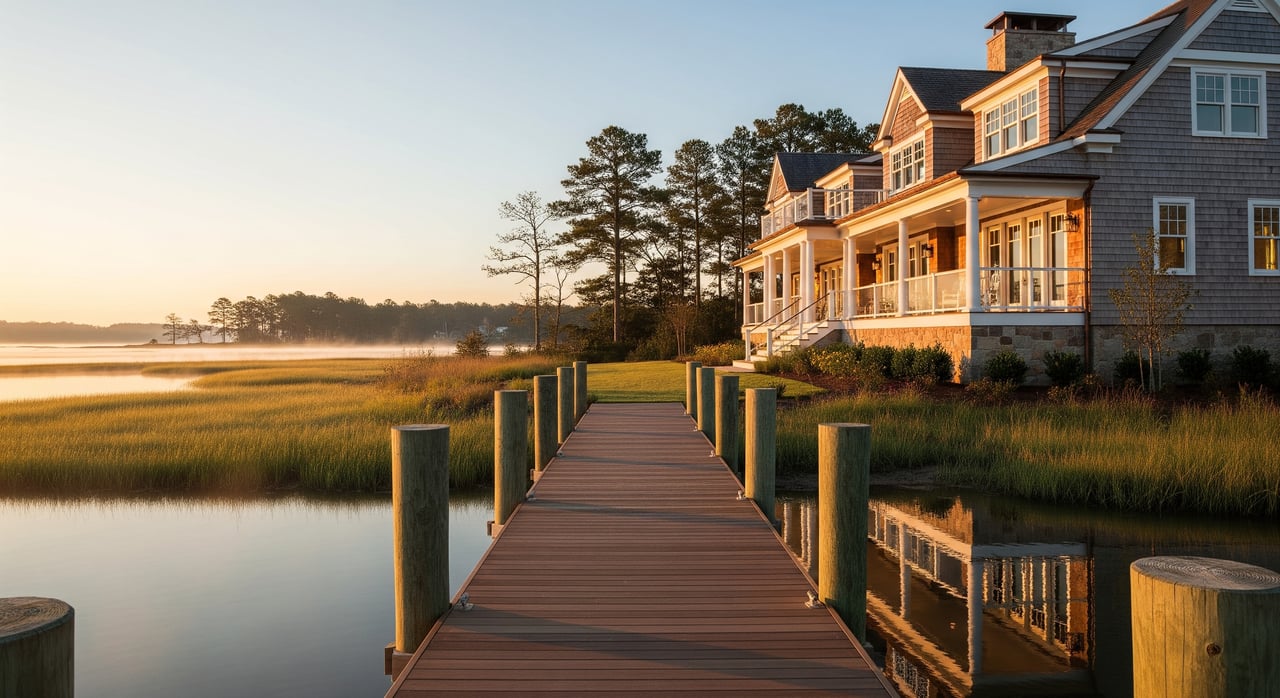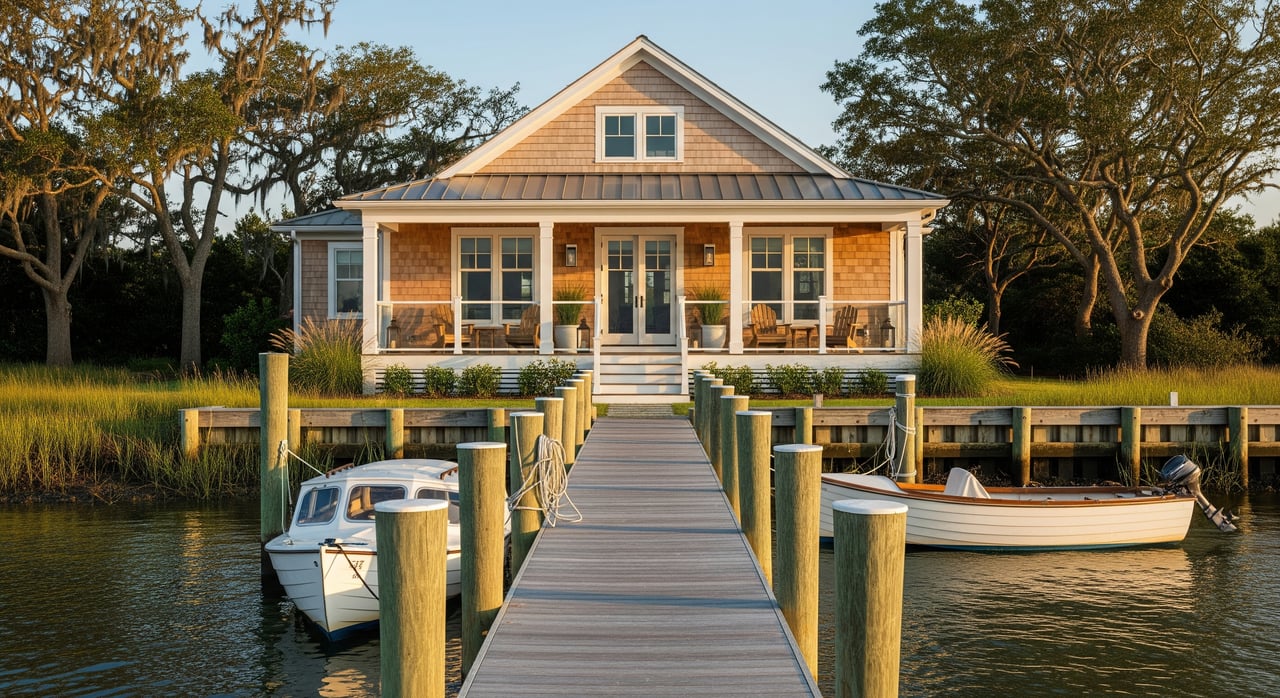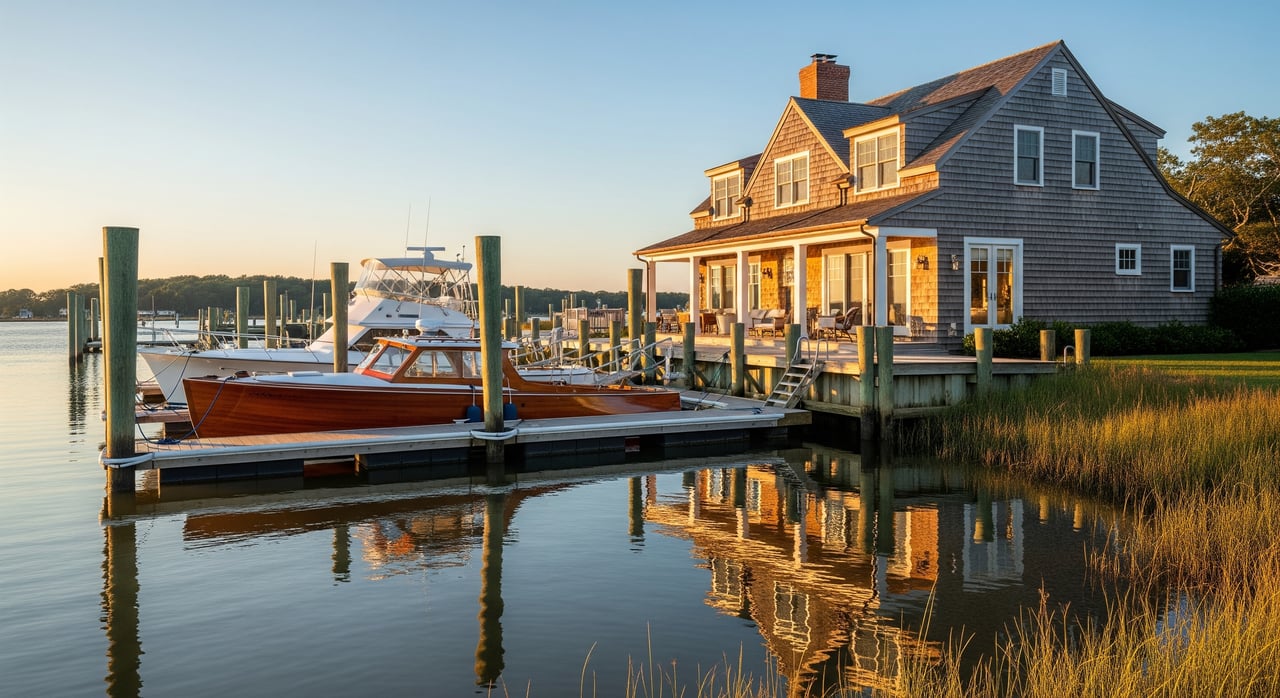

Dreaming about a quiet Northern Neck retreat where you can unplug on the weekends, launch the boat, and still be home by Monday? If Montross has your attention, the next step is understanding how financing a second home works. The rules are not the same as buying your primary residence, and a few local factors can affect your budget and timeline.
In this guide, you’ll learn how lenders evaluate second-home loans, what down payment and reserves to expect, how rates differ, and what is unique about waterfront and rural properties near Montross. You’ll also get a simple checklist to move from idea to keys in hand. Let’s dive in.
Second-home basics in Montross
A second home is a property you intend to occupy personally in addition to your primary residence. Lenders view these as higher risk than primary homes but lower risk than rentals. This classification influences your down payment, interest rate, and underwriting.
It’s important to distinguish a second home from an investment property. If you plan to rent the home frequently, your lender may treat it as an investment. That usually means a larger down payment and a higher rate. Most second-home loans expect personal occupancy, even if it is seasonal or weekends.
Finally, government-backed programs like FHA and USDA are designed for primary residences. VA loans also focus on primary occupancy for eligible veterans. If you are considering exceptions, speak with a lender about current VA occupancy guidelines.
What lenders look for
Down payment and PMI
For most conventional second-home loans, you can expect to put 10% to 20% down. Some lenders require closer to 15% to 20% to reduce risk. If you are above the conforming loan limit and need a jumbo loan, expect 20% or more down with stricter terms.
Private mortgage insurance (PMI) may apply if your loan-to-value is above about 80 percent. Not all lenders allow PMI on second homes, so some will simply require a higher down payment instead.
Credit score and DTI
Second-home financing generally favors stronger credit. While minimums can exist in the mid-600s, 700+ often earns better pricing and lower down payment options. Lenders also watch your debt-to-income ratio closely. Many aim for 43 percent or lower, though some approve higher DTI with strong compensating factors like large reserves.
Cash reserves
You should plan to show six months or more of PITI (principal, interest, taxes, and insurance) in liquid or semi-liquid reserves after closing. For higher loan amounts, multiple properties, or jumbo loans, 12 months or more is common. Reserves can include checking, savings, brokerage accounts, and some retirement funds if their access rules are documented.
Documentation and occupancy
Standard documentation applies: pay stubs, tax returns, bank statements, and verification of assets. Lenders also confirm your primary residence and your intention to use the Montross property personally as a second home. Some lenders look at distance from your primary residence to support second-home use; many view a 1 to 2 hour travel radius as reasonable, but policies vary.
Loan options and rate differences
Conventional conforming loans
These are the most common choice when your loan amount is within conforming limits. Compared with primary residences, second-home rates are typically slightly higher. Think in terms of a few basis points to a few tenths of a percent, with exact pricing driven by credit, loan size, and down payment.
Jumbo loans
If your purchase exceeds conforming limits, underwriting tightens. Expect 20 percent or more down, stronger reserves, and higher credit expectations. Rates are usually higher than conforming loans.
FHA, VA, and USDA
These programs are designed for primary residences. As a rule, they are not available for second homes. Veterans should speak with a lender about VA occupancy rules if they are exploring special circumstances.
Portfolio and non-QM options
Local banks and credit unions sometimes offer portfolio loans that fit rural or waterfront properties, unique structures, or larger parcels. Non-qualified mortgage options can help buyers with complex income or higher DTI. These products usually come with higher rates and more money down.
Mortgage insurance
If your LTV is high, your lender may require PMI. Not all lenders permit PMI on second homes, so you may need to increase your down payment to reach an acceptable loan profile.
Montross-specific property factors
Waterfront and flood zones
Many Montross-area homes sit near the Potomac River, tidal creeks, or low-lying areas. If a property falls within a FEMA Special Flood Hazard Area, lenders require flood insurance for any federally related loan. You may need an elevation certificate to accurately rate the policy. Even outside mapped zones, consider your long-term flood and storm risk as part of your ownership costs.
Wells, septic, and older systems
Rural properties often have private wells and septic systems. Lenders commonly require inspections to confirm function and safety. For older cottages or homes, expect attention on system upgrades, wood-destroying insect inspections, and basic structural integrity. Some lenders may require repairs before closing.
Access and utilities
Private road maintenance agreements, driveway easements, and bridge access can affect marketability and insurance. Verify electrical service capacity, internet options, and current septic permits. If you plan to add a dock or make shoreline changes, you will need to follow local permitting rules.
Local taxes and assessments
Property tax rates are set by Westmoreland County. Your lender will include property taxes and insurance in your monthly PITI estimate. As you build your budget, remember that waterfront or larger parcels can carry higher annual costs.
Renting your second home
If you plan to rent the home occasionally, share that plan with your lender upfront. Frequent rentals can change your loan classification to an investment property, which usually means a bigger down payment and higher rate. On the tax side, rental income rules depend on the number of days rented versus personal use. If you rent for fewer than 15 days in a year, rental income may be tax-free. Above that, you must report income and allocate deductions between personal and rental use. Keep good records and consult a tax advisor.
Total cost of ownership
Beyond principal and interest, plan for:
- Property taxes and homeowner’s insurance
- Flood insurance if required
- Seasonal maintenance, especially for waterfront and older homes
- Utilities and any property services while the home is vacant
For older or waterfront homes, a 1 to 3 percent annual maintenance estimate of home value is a reasonable planning range, though needs vary by property.
Step-by-step plan to buy in Montross
1) Prepare with the right lender
- Get preapproved by a lender that handles second homes. Ask about minimum down payment, DTI, reserves, distance rules, and PMI policies.
- Confirm whether your price point falls within conforming limits or if you will need a jumbo loan.
2) Assess flood and insurance early
- Review current flood maps for any home you are considering. Determine if an elevation certificate is needed.
- Request quotes for both homeowner’s and flood insurance based on the property’s age, systems, and occupancy.
3) Map out tax and rental strategy
- Talk with a tax professional about mortgage interest deductibility and state and local tax caps.
- If you plan occasional rentals, clarify the IRS rules for personal-use days and recordkeeping.
4) Vet the property thoroughly
- Build inspection contingencies for well, septic, and wood-destroying insects. Consider structural or shoreline evaluations for older or waterfront homes.
- Verify utilities, internet, road access, and any maintenance agreements.
- Allow extra time for rural appraisals that may have fewer comparable sales.
5) Close with confidence
- Keep documentation ready for down payment and reserves. Many second-home loans require six months or more of PITI in reserves.
- If flood insurance is required, bind the policy ahead of closing. Lenders cannot close without it.
- Confirm occupancy and non-rental statements if your loan pricing depends on second-home classification.
6) Manage the home post-closing
- Set a schedule for preventative maintenance, especially if the home will be vacant for long stretches.
- Track personal-use days and any rental days for tax reporting.
Tips for DC-area buyers eyeing Montross
- Distance works in your favor. Many lenders view a 1 to 2 hour drive as consistent with second-home use. Policies vary, so confirm with your lender.
- Build a cushion for waterfront insurance. Deductibles and riders can raise annual costs.
- Expect a little more time for rural appraisals and inspections. Planning an extra week or two can reduce stress.
Work with a waterfront-savvy advisor
Buying a second home near Montross is part lifestyle, part logistics. You benefit from local insight on docks, shorelines, wells and septic, flood risk, and rural access. With 30+ years of homebuilding experience and deep Northern Neck expertise, Beth helps you evaluate property conditions, coordinate the right inspections, and navigate lender expectations for second homes.
If Montross is calling your name, let’s map out a plan that fits your budget and timeline. Schedule a personalized market consultation with Beth Groner to get started.
FAQs
How much down payment is typical for a Montross second home?
- Most buyers put 10 to 20 percent down for conventional loans; jumbo loans and some lenders require 20 percent or more.
Can I use a VA, FHA, or USDA loan for a Montross second home?
- As a rule, no. These programs are for primary residences. Veterans should review VA occupancy rules with a lender for any exceptions.
How do flood zones affect getting a mortgage near the Potomac?
- If the home is in a FEMA Special Flood Hazard Area, your lender will require flood insurance and may need an elevation certificate before closing.
Are interest rates higher for second homes than primary homes?
- Usually yes. Expect a slight rate increase versus a primary residence; investment property loans are typically higher than both.
What if I plan to rent the home part of the year?
- Limited, incidental renting may be acceptable, but frequent rentals can reclassify the loan as an investment. Discuss plans with your lender and tax advisor.
What inspections should I expect for a rural Northern Neck home?
- Budget for well and septic inspections, a wood-destroying insect report, and any shoreline or structural evaluations needed for older or waterfront properties.