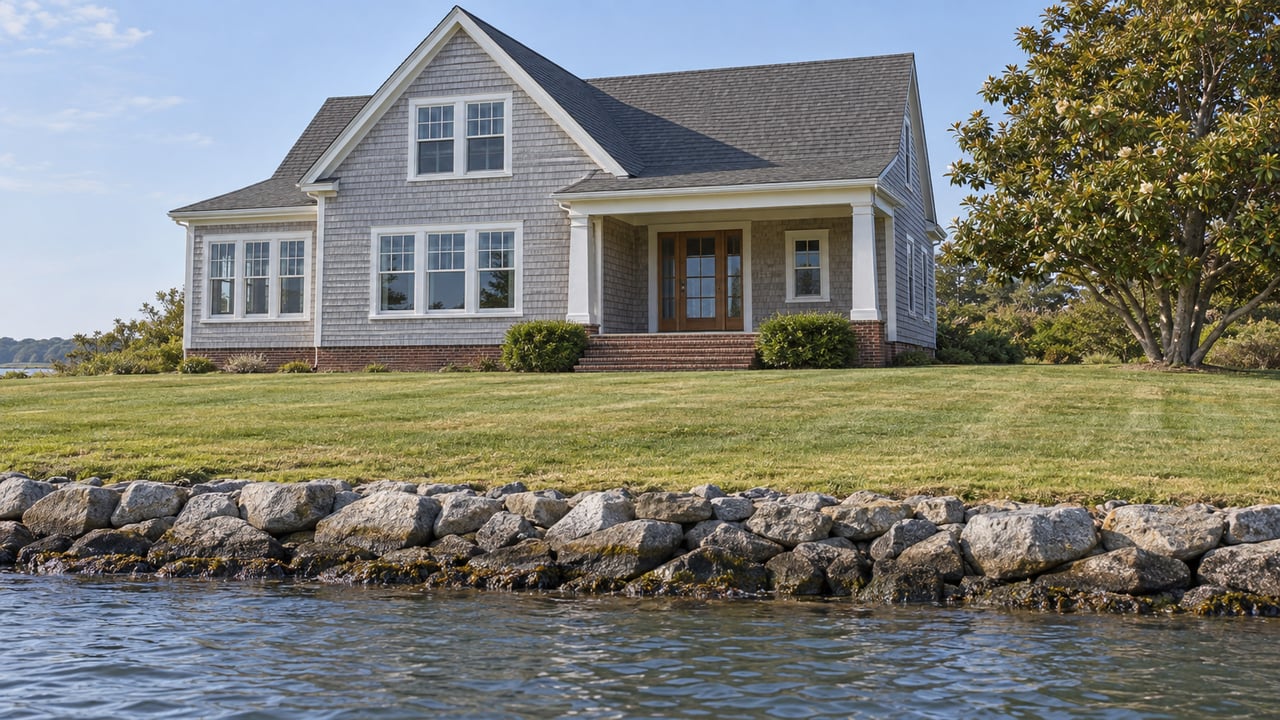
Dreaming of boating from your own backyard in Irvington? If you are eyeing Carter’s Creek, the right dock and boathouse features can make or break your waterfront experience. You want seamless access for your vessel, low-stress upkeep, and strong resale appeal when it is time to move on. In this guide, you will learn the key features buyers love, how to think about water depth and lifts, and which upgrades boost value on Carter’s Creek. Let’s dive in.
Carter’s Creek basics and usable depth
Why MLW matters for your boat
Carter’s Creek is tidal, which means water depth changes with the tide. The most reliable planning number is mean low water, or MLW. If your dock has 3 feet at MLW, that is your worst-case depth at low tide, and it determines what size boat you can use without grounding.
Different boats need different depths. As a rule of thumb used by brokers and marina operators:
- Kayaks and paddlecraft: 0 to 1.5 feet MLW works.
- Pontoons and small flats boats: 2 to 3 feet MLW is preferred.
- Most outboard center consoles: 3 to 4 feet MLW for safe access.
- Larger powerboats and small keelboats: 4 to 6 or more feet MLW.
Because the creek is tidal, plan for seasonal low water and shoaling. Shoaling can reduce usable depth over time unless dredging or maintenance keeps channels open.
How to confirm depth at a property
Exact MLW depth varies by site and can change. To verify what is usable at a specific dock, rely on recent depth soundings by a marine professional, regional NOAA tide and chart references, and local knowledge from nearby marinas or boatyards. If the dock does not reach your target depth, options include extending the pier, using a lift that raises the boat above the water, or pursuing dredging where feasible and permitted.
Permits and ownership details to check early
Who regulates what in Irvington
Waterfront work on Carter’s Creek touches multiple authorities. The Virginia Marine Resources Commission regulates structures like docks, piers, and boathouses on state-owned subaqueous beds and tidal wetlands. The U.S. Army Corps of Engineers may be involved for dredging and certain wetlands impacts. Lancaster County and the Town of Irvington also apply zoning, shoreline, building, and floodplain requirements. The Virginia Department of Environmental Quality provides guidance where water quality or stormwater impacts are significant.
Verify before you buy or sell
Always confirm whether the existing dock, lift, or boathouse was properly permitted and inspected. Ask for permit numbers and any recorded as-built drawings. Unpermitted structures can reduce saleability and lead to costly retrofits or removal. If an HOA or community dock is involved, get clear documents that outline ownership, assigned slips, and maintenance responsibilities.
Boat lifts that fit Irvington buyers
Common lift types and how they compare
Choosing the right lift depends on your boat, site depth at MLW, and footprint.
Cradle lifts
- Pros: Broad capacity range and simple operation, good for pontoons and many powerboats.
- Cons: Requires pilings and periodic mechanical maintenance.
Vertical or hydraulic lifts
- Pros: Compact footprint and quick lifting.
- Cons: Higher cost, more moving parts, and power requirements.
Overhead boathouse lifts
- Pros: Excellent protection, covered storage, and strong buyer appeal.
- Cons: Highest cost, more complex permitting, and potential view impacts.
Davit lifts
- Pros: Economical for small boats and tenders, straightforward installation.
- Cons: Limited to light vessels.
Floating lifts
- Pros: Flexible and easier to install where pilings are a challenge.
- Cons: More movement with tide and storms, often needs more frequent attention.
Safety, power, and upkeep
Lifts require safe power and proper grounding. Electrical systems should follow National Electrical Code guidance for docks, including GFCI protection, bonding, weatherproof equipment, and correct disconnects. In brackish water, corrosion control is essential. Ask for service records, and assess remaining life of motors, gearboxes, and cables or straps. A well-documented lift reassures buyers and supports value.
Boathouse and dock layouts buyers prefer
Layouts that work on Carter’s Creek
Different layouts offer different trade-offs in access, protection, and views:
- Open dock with T-head for easy maneuvering and clear sightlines.
- Private slip with lift for simple, ready-to-go storage.
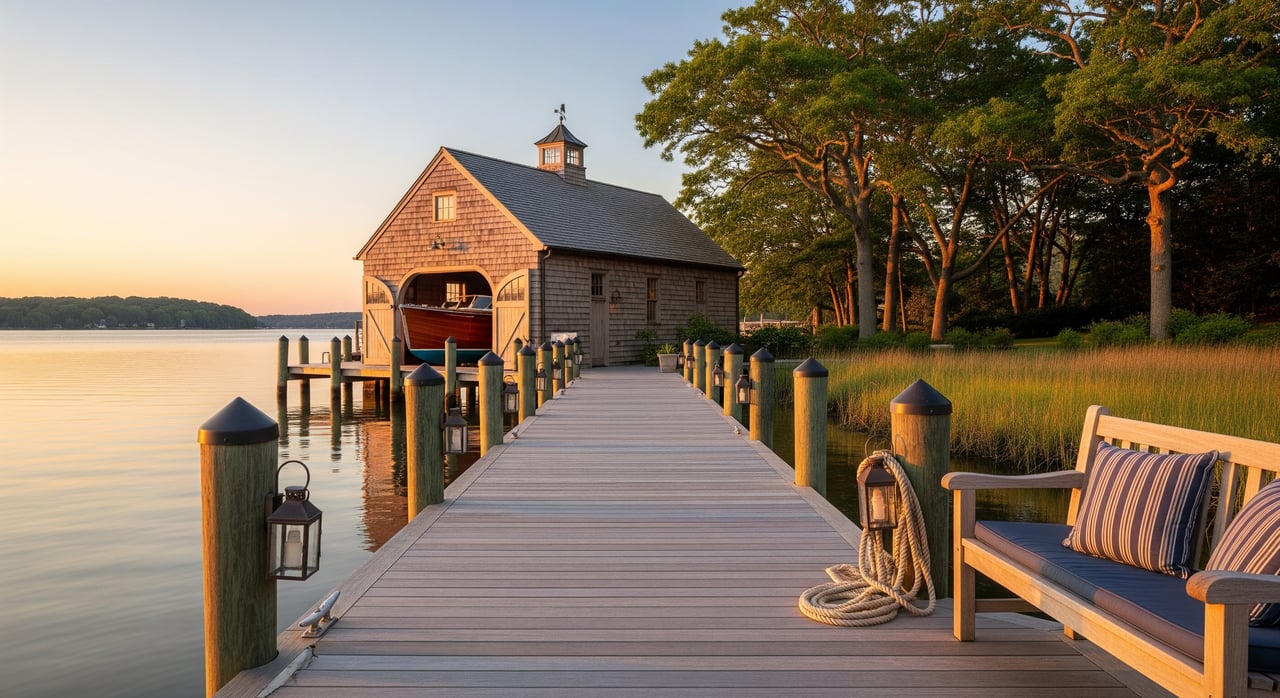
- Covered boathouse with roof for shade and weather protection.
- Fully enclosed boathouse for maximum protection and gear storage.
- Multi-slip community docks where shared maintenance reduces owner effort.
Features that signal quality
Buyers respond to docks and boathouses that are safe, practical, and easy to use. Look for:
- Slip dimensions that match your boat’s length and beam, including swim platforms.
- Headroom for tops, towers, or masts when applicable.
- Durable, low-maintenance decking with non-skid surfaces, quality cleats, and bumpers.
- Proper lighting, safe stairs and gangways sized for the tidal range, and lockable gear storage.
- Thoughtful siting that preserves view corridors and minimizes neighbor shading.
Permitting factors for boathouses
Roofed or enclosed structures typically face more detailed permit review. Height, footprint, and environmental impacts are considered, and enclosed boathouses may affect floodplain and insurance considerations. Always verify permits and, where available, recorded as-built documentation.
Power, water, and safety on the dock
Shore power and water service are practical upgrades that buyers expect on premium waterfront in Irvington.
Electrical service: Many private docks include 120V circuits for lights and pumps. Larger boats often need 30A or 50A 120/240V shore power pedestals. Dedicated circuits for lifts and surge protection are common best practices. Confirm whether dock power is metered to the property or shared through an HOA.
Water service: A pressurized line to a dock faucet supports washdowns and bilge flushing. Backflow prevention and frost protection should align with local plumbing codes.
Environmental and safety: Fuel handling requires specific permitting and containment. Discharge of untreated sewage is prohibited, and pump-out rules apply. Consider low-glare, wildlife-sensitive lighting to preserve night skies and habitat.
Materials that last in brackish water
Decking, framing, and pilings
Material choices affect maintenance, appearance, and lifespan.
- Pressure-treated timber: Affordable and common, but requires ongoing maintenance.
- Cypress or cedar: Attractive, more rot-resistant than pine, with moderate upkeep.
- Tropical hardwoods like ipe: Very durable with a higher upfront cost.
- Composite or PVC decking: Low maintenance, slip resistant, and long lasting. Hidden fasteners offer a clean look.
- Aluminum framing or coated steel: Aluminum is corrosion-resistant with lower maintenance; steel requires protective coatings and cathodic protection.
- Concrete and PVC components: Durable in marine settings, typically more costly and equipment-intensive to install.
Corrosion and environmental details
In brackish water, galvanic corrosion is a real concern. Use compatible metals, marine-grade stainless fasteners, and sacrificial anodes where appropriate. Many jurisdictions also favor materials that limit chemical leaching into tidal waters. Buyers often prefer combinations that minimize annual chores, such as composite decking with aluminum framing.
Upgrades that add value in Irvington
What buyers prioritize on Carter’s Creek
- A permitted private dock with a functioning boat lift is a top draw. It signals immediate usability and protection for your boat.
- Clean, permitted boathouses that shield vessels and equipment are highly appealing.
- Shore power and water service at the dock simplify weekend use and maintenance.
- Durable, low-maintenance materials reduce near-term capital needs and buyer hesitation.
- Stable shorelines, such as living shoreline treatments or a sound bulkhead, boost confidence in long-term access.
- Clear documentation of riparian rights and property lines reduces risk at closing and increases buyer trust.
What can hurt value or speed
- Unpermitted docks or ambiguous tidal rights create red flags.
- Rotten decking, failing pilings, and corroded hardware signal immediate expense.
- Insufficient MLW depth for the boats common to the area can eliminate buyer segments.
- Oversized or poorly sited structures that block views or shade neighbors can limit appeal.
Practical checklists for buyers and sellers
Buyer checklist
- Verify permits and as-built documentation for the dock, lift, or boathouse.
- Get a recent marine survey and MLW soundings at the slip and along the approach.
- Review lift service records and evaluate motor, gear, and cable condition.
- Confirm flood zone designations and how the dock or boathouse is treated by your insurer.
- Speak with local marinas or boatyards for current insight on shoaling and channel access.
- Price out desired changes with an experienced marine contractor before you close.
Seller checklist
- Compile VMRC and local permits, as-built drawings, and any recorded approvals.
- Provide recent MLW soundings and clear statements about ownership and maintenance responsibilities, especially for shared docks.
- Gather lift service logs and any warranty documentation.
- Note shoreline stabilization history and any improvements like living shorelines or bulkheads.
- Address obvious repairs so buyers can focus on lifestyle, not projects.
Bringing it all together
When you shop or sell waterfront in Irvington, depth at MLW, the right lift, and a well-permitted structure shape your experience and your return. Thoughtful materials, safe utilities, and clear documentation help you enjoy the creek today and protect value tomorrow. If you want an advisor who understands both the construction details and the way buyers use the water on Carter’s Creek, connect with a local expert who lives this every day.
Ready to talk through your dock, boathouse, or next move on Carter’s Creek? Schedule a personalized market consultation with Beth Groner for clear, local guidance.
FAQs
What depth do I need for a center-console boat on Carter’s Creek?
- Many center consoles are comfortable with 3 to 4 feet at mean low water, but always verify with fresh soundings and allow a margin for seasonal lows and shoaling.
Are enclosed boathouses allowed in Irvington and Lancaster County?
- Enclosed or roofed boathouses can be permitted, but they face more detailed review of height, footprint, and environmental impacts by VMRC and local authorities.
Will a boat lift increase my resale value on the creek?
- A properly permitted, well-maintained lift that fits local vessel types is a strong selling point and typically boosts marketability.
What electrical setup should I look for on a private dock?
- Expect GFCI-protected circuits, bonding, and weatherproof equipment that follows National Electrical Code guidance, plus dedicated circuits for lifts and proper disconnects.
How can I document my dock and riparian rights for buyers?
- Provide VMRC and local permits, recorded as-built drawings, recent MLW soundings, lift service records, and clear statements of ownership and maintenance responsibilities.