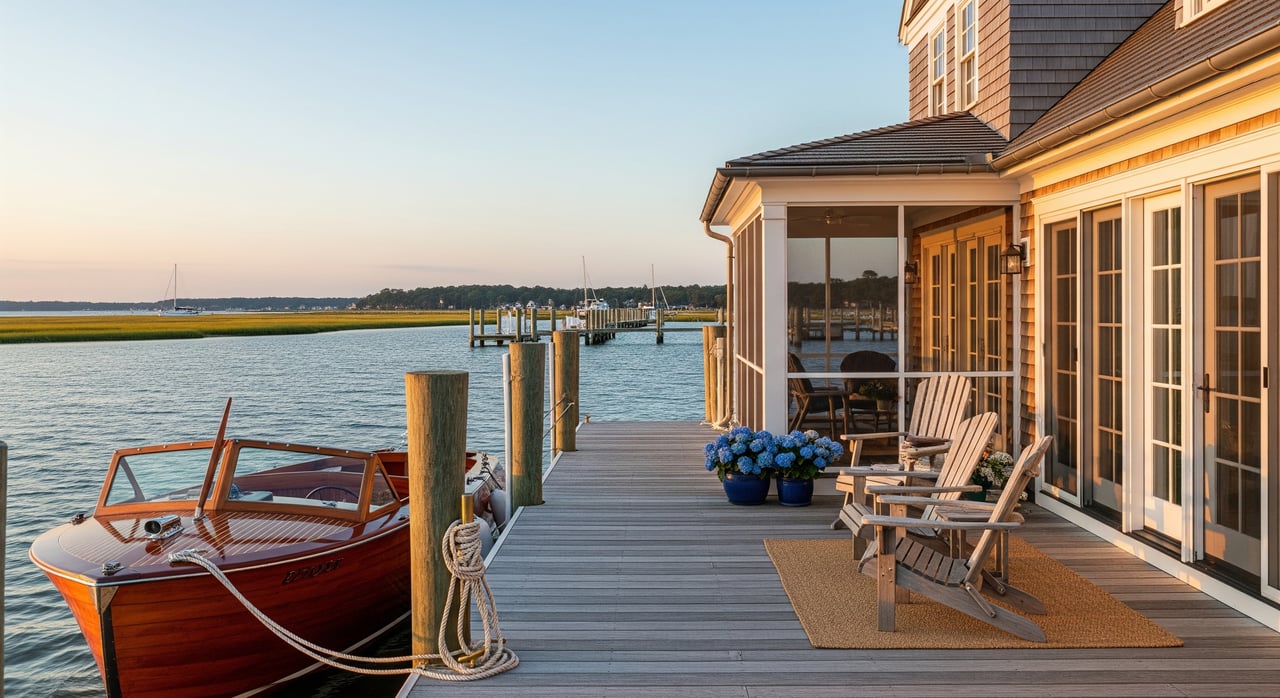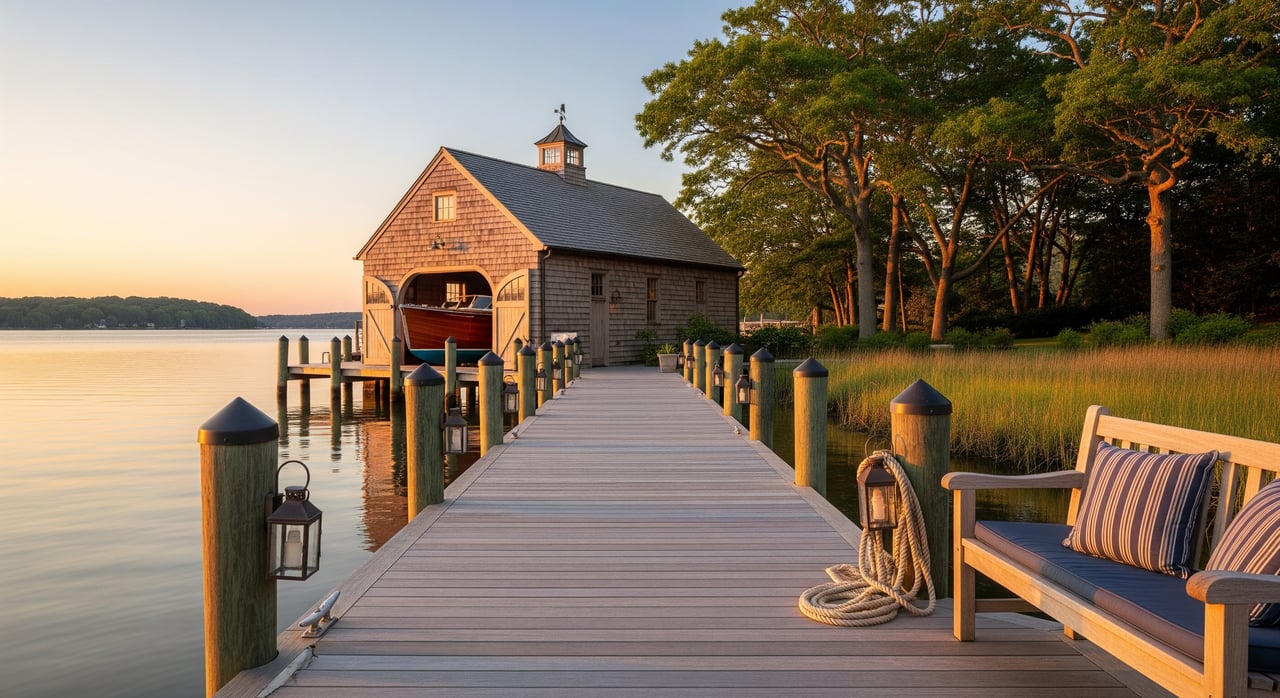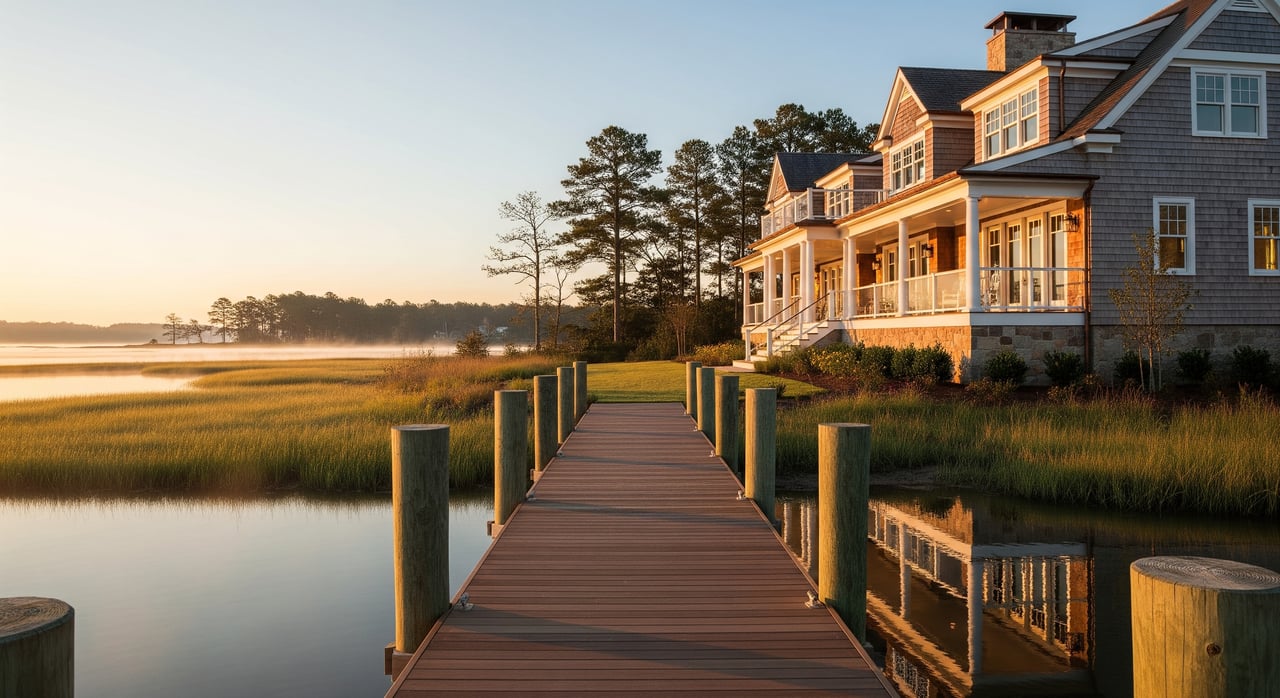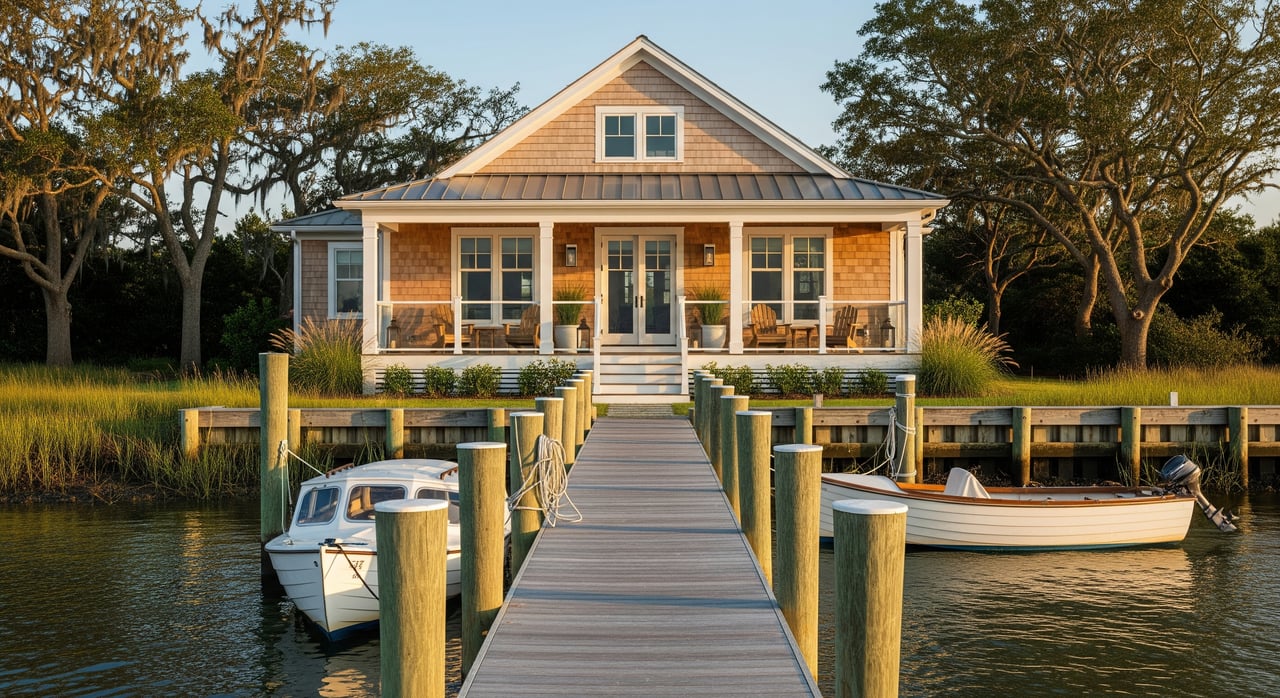
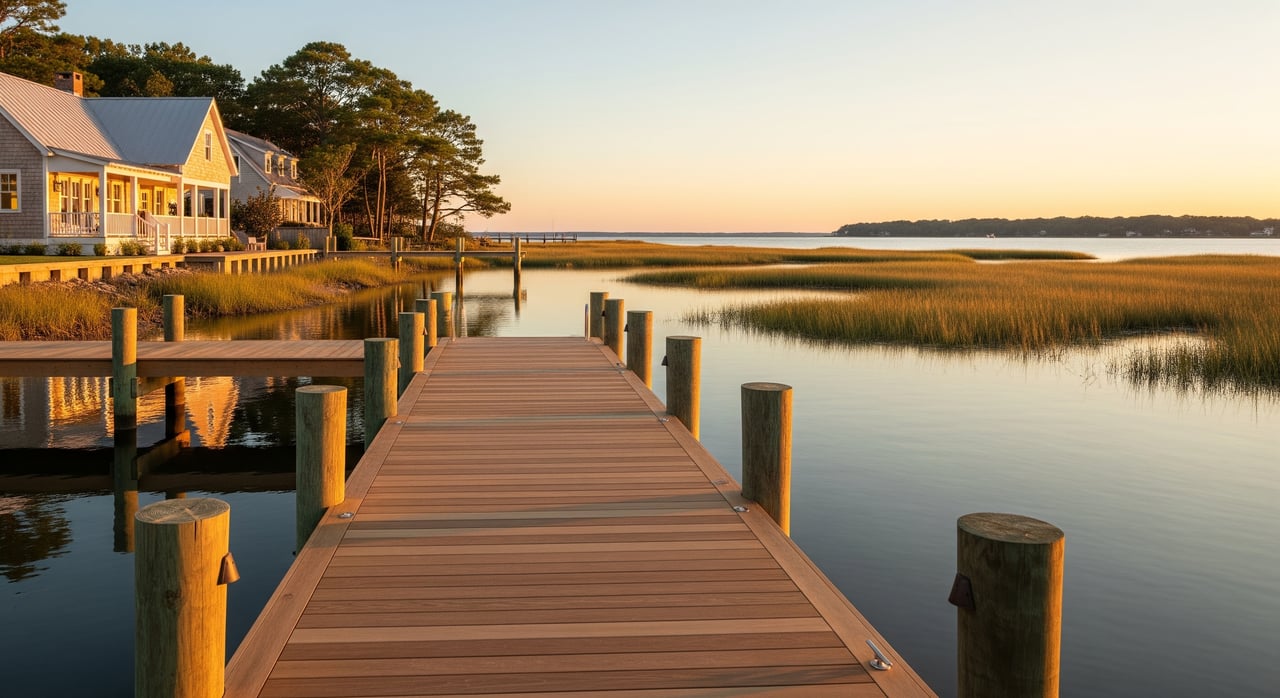
Dreaming of tying up your boat at your own dock in Heathsville? Before you picture sunset cruises, you need to know how pier permits work along Northumberland County’s tidal rivers. The rules are layered, the shoreline is sensitive, and the process can affect your timeline and budget. In this guide, you’ll learn who regulates piers, the steps to get approvals, local constraints, HOA rules, and a clear due diligence checklist so you can buy with confidence. Let’s dive in.
Who regulates piers in Heathsville
Virginia Marine Resources Commission (VMRC)
VMRC is the primary state authority for structures over tidal or navigable waters and anything that uses state-owned submerged lands. Most private piers, pilings, and moorings need VMRC authorization. Expect conditions designed to protect aquatic resources and navigation.
Virginia Department of Environmental Quality (DEQ)
DEQ becomes involved when your project affects wetlands or water quality, or when shoreline stabilization is part of the plan. DEQ often coordinates with VMRC and federal reviewers and may require water quality certification in some cases.
U.S. Army Corps of Engineers (USACE)
The Corps has federal jurisdiction over navigable waters and the placement of dredged or fill material in waters and wetlands. Many pier projects, and nearly all dredging, require Corps review or a federal permit.
Northumberland County
Local planning, zoning, and building officials administer ordinances and the Chesapeake Bay Preservation Act at the county level. Resource Protection Area buffers, setbacks, and local permits or inspections may apply in addition to state and federal approvals.
Other interests to consider
HOAs or POAs, riparian neighbors, shellfish leaseholders, and conservation easements can all affect where and how you build. These private and public interests may add standards, approvals, or restrictions beyond government permits.
How the permit process works
Start early with a pre-application check
Contact VMRC and Northumberland County’s planning and building departments as soon as you’re serious about a property. A quick consultation can flag required surveys, shoreline constraints, and whether state bottomlands are involved. Early clarity saves time later.
Use the Joint Permit Application (JPA)
In Virginia, a coordinated application can cover VMRC, DEQ, and USACE review. You will need a site plan, project description, shoreline profile, and a construction access plan. Clear, complete documents speed up review and reduce back-and-forth.
Plan for environmental surveys
Submerged aquatic vegetation and shellfish resources are common in Northern Neck waters. You may need seasonal surveys or to adjust pier design and piling locations to protect these resources. If tidal wetlands are involved, a wetland delineation may be required.
Choose designs that minimize impacts
Agencies generally prefer open-pile piers and grated decking to reduce shading and habitat impacts. If you need shoreline stabilization, living shorelines are often favored over bulkheads. Expect additional review if you propose bulkheads or significant fill.
Expect public notice and neighbor input
Some projects require public notice and an opportunity for nearby owners to comment. Shellfish leaseholders and navigation interests may be consulted. Clear communication and a thoughtful design can reduce conflict.
Understand timelines and outcomes
Simple projects can be approved in weeks to a few months. Complex work, like dredging or projects affecting sensitive resources, can take many months. You may receive conditions or be asked to modify your design to minimize environmental impacts.
Build with compliance and inspections
Permits include conditions such as work windows and construction methods. Inspections may be required. Unauthorized work can trigger enforcement, fines, and even removal of structures, so it pays to follow the plan.
Know how transfers and renewals work
Some authorizations or state leases include specific transfer steps when a property changes hands. You may also see requirements for as-built surveys or final reports after construction.
Heathsville and Northumberland realities
Tidal setting and sensitive resources
Heathsville fronts tidal rivers and tributaries of the Chesapeake Bay. You may encounter shallow flats, marsh edges, submerged aquatic vegetation, and shellfish activity. These factors can limit pier length or location and influence approval conditions.
Narrow channels and depth limits
In some creeks, navigational channels are narrow and water is shallow at low tide. Verify depth at mean low water for your intended boat size and consider seasonal shoaling. Dredging adds significant complexity, review time, and cost.
Chesapeake Bay Act and local rules
Northumberland County implements Resource Protection Area buffers that affect upland access paths and any shoreline disturbance. County staff can clarify when a local land disturbance or building permit applies and whether mitigation is required.
Community and shared piers
Some neighborhoods offer community piers with assigned slips. These can be a great solution but come with rules, fees, and maintenance obligations. Confirm whether community agreements limit individual pier rights on your lot.
HOA and private rules you must check
Covenants and architectural approvals
HOAs and POAs often set standards for pier location, materials, height, lighting, and slip counts. You may need architectural approval even after you obtain government permits. Noncompliance can result in fines or removal.
Easements and access
Recorded easements along your shoreline or across your lot can dictate where you can build or how you reach the pier. Review the title report and survey carefully.
Insurance and liability
Private piers may affect your homeowner’s insurance and liability exposure. Ask about coverage and any premium changes associated with a dock.
Buyer due diligence checklist
Documents to request before you commit
- Deed language describing riparian or littoral rights, plus any shoreline easements.
- All existing VMRC permits, authorizations, and any state subaqueous lands leases, including conditions.
- A current survey showing the boundary to mean low water, the pier location, and shoreline features.
- Title report with covenants, restrictions, easements, and encumbrances along the shoreline.
- HOA documents and architectural standards for docks, plus meeting minutes related to piers and any assessments.
- Environmental reports and prior permits for shoreline stabilization or dredging, including any Corps permits.
Questions to ask the seller, HOA, and county
- Is there a current VMRC permit or lease for the pier, and can it transfer to a new owner?
- Has the riparian boundary been surveyed to the waterline, and where does private property end?
- Has any unpermitted work occurred or been cited for violations?
- Are there known SAV beds, shellfish leases, or conservation restrictions nearby?
- What HOA approvals are required for new construction or modifications, and are there limits on length or slips?
- Has the shoreline needed stabilization, and were permits pulled for that work?
- Does the county require local permits or erosion control for pier or shoreline work?
- Are there neighbor agreements or community pier rules that affect your options?
- What are the typical maintenance costs and repair history for any existing pier?
Site checks with local professionals
- A condition report by a marine contractor covering piles, decking, hardware, and any electrical.
- Verified water depths at low tide for your boat and use case.
- Signs of erosion, shoreline stability, and marsh health.
- FEMA flood zone and base flood elevation to understand reconstruction constraints and insurance.
Common pitfalls to avoid
- Assuming permits or leases transfer automatically. Some require formal steps and fees.
- Overlooking unpermitted structures. You can inherit compliance risk and costs to correct them.
- Ignoring shellfish leases or SAV. Conflicts can lead to denials or restrictive conditions.
- Relying only on HOA approval. You still need government permits.
- Underestimating time and cost. Dredging and federal reviews extend timelines and budgets.
- Skipping insurance and lender checks. Some lenders and insurers require proof of permitted, inspected structures.
Smart next steps
- Contact VMRC and Northumberland County planning and building departments early in your due diligence period.
- Make permit records, surveys, and HOA documents part of your purchase contingencies.
- Engage local experts. A coastal surveyor, marine contractor, or environmental consultant familiar with Northumberland County can tailor your design and shorten review.
- Budget for permitting, potential design changes, mitigation, and ongoing maintenance.
Thinking about a waterfront purchase where dock plans are part of the vision? You deserve guidance from an advisor who understands both the market and the permitting details. For local, construction-informed support from search to closing, connect with Beth Groner.
FAQs
Do I need a permit for a simple private pier in Heathsville?
- Most private piers over tidal or navigable waters require VMRC authorization, and some projects also involve DEQ, USACE, and county permits.
How long does a pier permit take in Northumberland County?
- Straightforward projects can move in weeks to a few months, while complex work like dredging or projects near sensitive resources can take many months.
Can I transfer an existing pier permit when I buy the home?
- Some authorizations or leases can transfer, but many have specific steps and fees; confirm transfer terms with VMRC before closing.
What if there is a shellfish lease near my shoreline?
- Shellfish leases can limit pier placement; agencies may modify your design, add conditions, or deny the request to protect lease areas.
Does HOA approval replace government permits in Virginia?
- No. HOA approval is separate and does not substitute for required VMRC, DEQ, USACE, or county permits.