Buying near Windmill Point can feel like the best of both worlds: beach access, a small-town setting, and the kind of waterfront lifestyle many buyers picture for a full-time home or second home. It also comes with details that matter more here than they might in an inland purchase, from flood zones to shoreline rules to ongoing maintenance near salt water. If you are considering a home or lot near Windmill Point in White Stone, this guide will help you focus on the questions that matter before you make an offer. Let’s dive in.
Windmill Point in White Stone
Windmill Point sits near one of the most distinctive public amenities in Lancaster County. County information describes Windmill Point, also called Westland Beach, as the county’s public beach access with a restored beach area, a 450-foot fishing and observation pier, parking, restrooms, and kayak, canoe, and boat-launch access.
That public access is a big part of the appeal. If you want a property near the water without needing completely private beach frontage, this area can offer a lifestyle built around easy access to the shoreline, boating, and outdoor time.
White Stone itself adds to that draw. The town presents itself as the Southern Gateway to the Northern Neck, with local dining, shopping, lodging, and events that support an active waterfront community feel.
Why buyers are drawn here
For many buyers, the appeal is simple: you get a small-town setting with a strong connection to the water. White Stone is known for waterfront dining, local shops, seafood, and community events, which can make the area attractive for both primary residences and second homes.
You may also like the pace of development here. Lancaster County planning materials point to a low-density shoreline pattern in waterfront areas, which often translates into a more open, detached feel rather than tightly packed shorefront development.
That said, lifestyle appeal should not replace property-level due diligence. Near Windmill Point, the right purchase decision usually comes down to what is true for the specific parcel, not just the broader area.
Check town limits first
One of the first things to confirm is whether the property is inside White Stone town limits or in unincorporated Lancaster County. That distinction can affect which local rules apply, especially if you are thinking about part-time rental use.
Lancaster County states that county approval is not needed for short-term rentals inside White Stone, Kilmarnock, or Irvington because each town governs its own rules. For properties outside town limits, county-regulated short-term rentals are allowed but must follow county registration, tax, and use rules.
This is an easy detail to miss early in a search. Before you move forward, make sure you know exactly which jurisdiction governs the parcel.
Understand waterfront overlay rules
Properties near Windmill Point may fall within Lancaster County’s Waterfront Residential Overlay. The county comprehensive plan says this overlay applies to certain residential parcels within 800 feet of tidal waters and wetlands.
For buyers, this matters because the county’s planning language describes two-acre minimums and 100-foot buffers in these waterfront areas. In practical terms, that helps explain why many nearby properties feel more spacious and less dense.
It also means you should not assume you can change the site freely after closing. If you are buying with plans for additions, clearing, grading, or other improvements, check the parcel’s zoning and overlay status before you commit.
Flood risk is parcel specific
Near the shoreline, flood risk should be reviewed lot by lot. Lancaster County GIS includes FEMA DFIRM flood layers and explains local flood zones, including Zone VE for coastal floodplains with storm-wave hazards.
If a home is in a high-risk flood area and you are using a government-backed mortgage, flood insurance is generally required. Even beyond lender requirements, knowing the flood designation can help you budget more accurately and avoid surprises later.
This is one of the most important checks you can make during due diligence. A nearby property may have a very different flood profile from the one next door.
Shoreline work is usually regulated
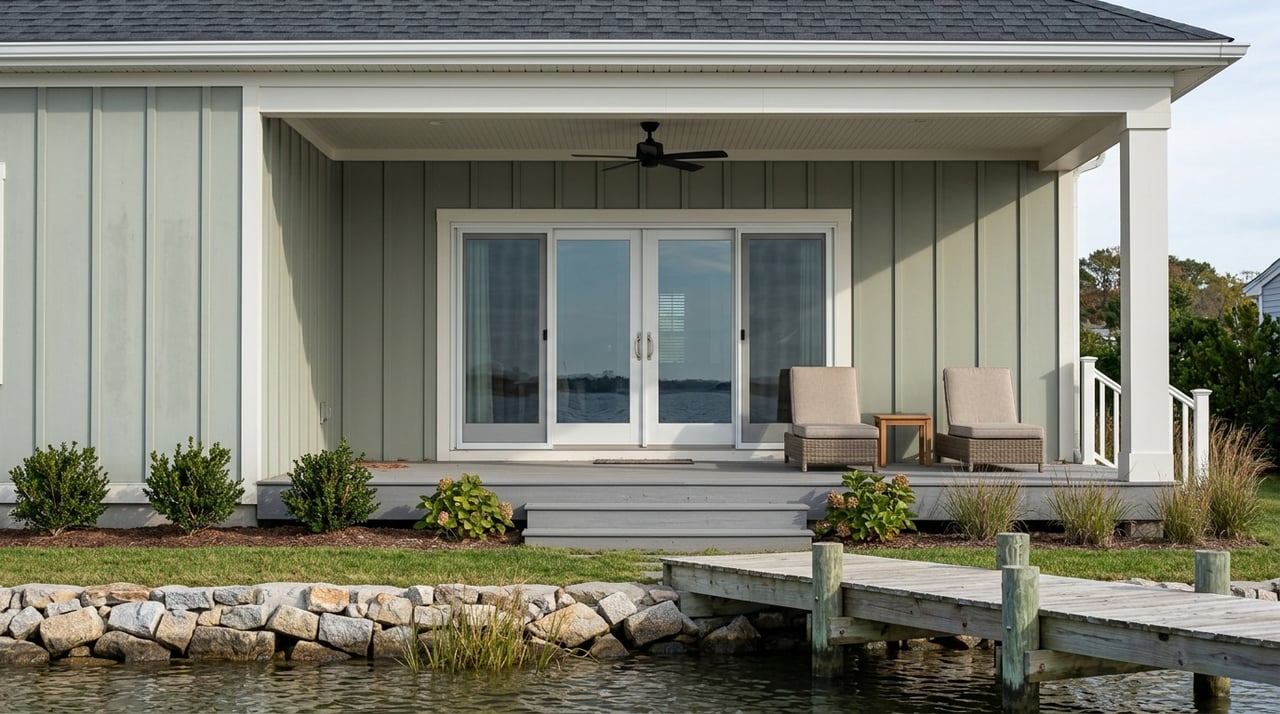
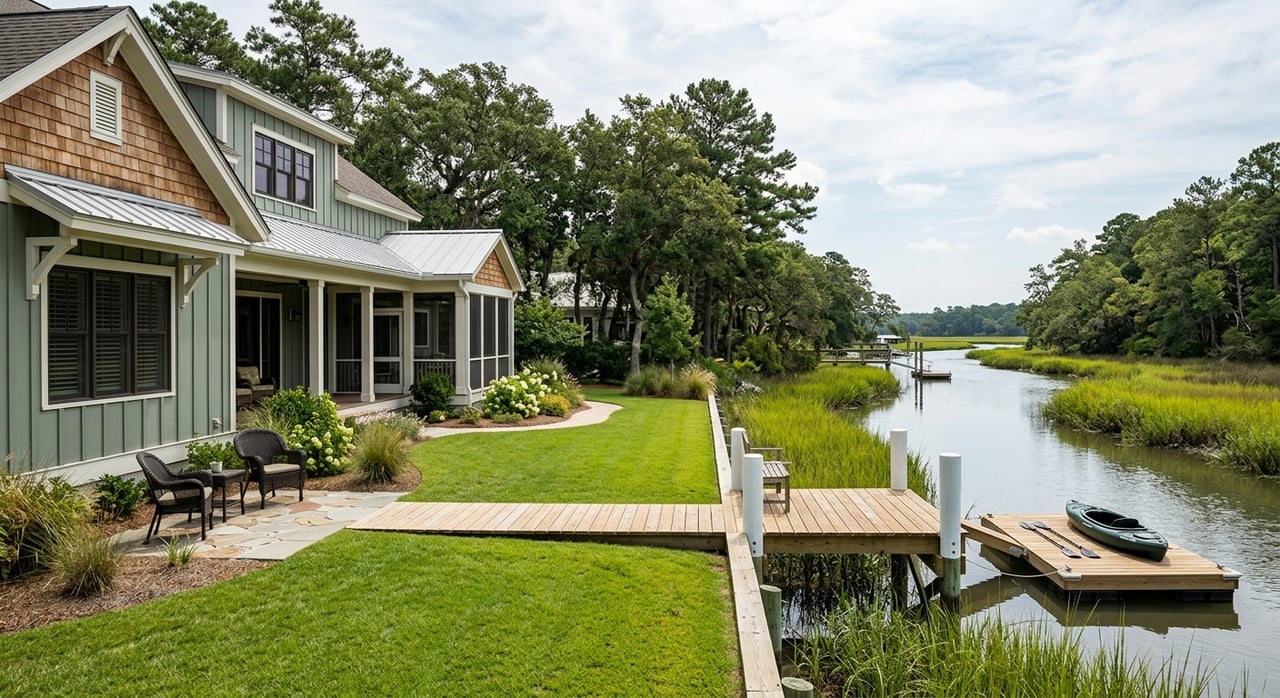
If a property already has a dock, pier, bulkhead, or shoreline stabilization in place, or if you hope to add or change one later, treat that as a major research item. In this area, shoreline improvements are not simply cosmetic projects.
Virginia Marine Resources Commission oversees permits for pier construction, shoreline stabilization, dredging, and dune or beach alterations. Lancaster County Planning & Land Use also administers related local ordinances involving wetlands, environmental review, and Chesapeake Bay Preservation.
That means your due diligence should include more than a visual look at the water. You want to understand what is existing, what was permitted, and what may or may not be possible in the future.
Know the site work limits
Buyers are sometimes surprised by how quickly small outdoor plans can trigger review near tidal waters and wetlands. Lancaster County says land disturbance of 2,500 square feet or more requires erosion-control approval.
The county also states that tree cutting within 100 feet of tidal waters or wetlands requires prior contact with the office. If you are picturing a major landscaping refresh, a larger driveway area, or selective tree clearing for views, ask those questions before closing rather than after.
This is where local waterfront experience can make a real difference. The right guidance can help you understand whether a property fits your plans as it stands today.
Bay preservation affects what you can do
The Chesapeake Bay Preservation Act shapes how Tidewater localities handle water-quality protection in planning and zoning. Lancaster County says its Bay-preservation areas are intended to protect water quality and reduce damage from flooding and shoreline erosion.
For you as a buyer, that often means buffers, review, and limits on how freely a waterfront lot can be reworked. This is not necessarily a negative. It is simply part of owning near sensitive shoreline areas.
The key is to buy with clear expectations. A beautiful lot is even more valuable when you understand its constraints as well as its possibilities.
Maintenance near salt water
A home near Windmill Point can offer an enjoyable coastal lifestyle, but it often comes with more upkeep. Coastal guidance from FEMA notes that salt spray from breaking waves and onshore winds can accelerate corrosion of metal connectors in harsh coastal environments.
NOAA also notes that coastal communities face sea-level rise and more intense storms. Over time, that can affect maintenance planning, materials, and resilience upgrades.
When you tour homes in this area, look beyond finishes and views. Pay attention to exterior materials, hardware, roofing, drainage, and any shoreline protection already in place.
Ask about the shoreline plan
A smart question for any waterfront or near-water purchase is whether the property already has a durable shoreline management approach. VIMS shoreline resources describe living shorelines, breakwaters, and beach nourishment as options that often fit coastal settings better than a purely hardened approach.
VIMS also notes that native shoreline plantings and buffers can be salt- and wind-tolerant while helping with water quality and storm protection. If a property has an established strategy for erosion and shoreline resilience, that can be a meaningful advantage.
If it does not, you may want to budget for future evaluation and improvements. This is especially important if you are buying for long-term use.
Seasonal activity may affect your experience
Because Windmill Point and Westland Beach are public day-use amenities with parking and a fishing pier, nearby homes may experience more visitor activity during beach season and event weekends. White Stone’s tourism identity and annual events, including the Rappahannock River Waterfowl Show each March, can also contribute to seasonal shifts in activity.
That does not mean the area is overly busy. It does mean that your experience in January may be different from your experience on a sunny summer weekend.
If possible, visit the area more than once and at different times of day. That can give you a more complete feel for access, parking patterns, and nearby activity.
If you may rent the property
If you are buying a second home and may rent it part-time, confirm the applicable short-term rental rules early. For county-regulated short-term rentals outside town limits, Lancaster County says operators must register, pay the annual fee, and pay a 2 percent occupancy tax.
County guidance also notes that HOA or condo documents may be more restrictive than county rules. In other words, local permission is only one part of the picture.
Before you rely on rental income in your budget, verify the exact rules that apply to the parcel. That includes town or county jurisdiction and any private community restrictions.
Key questions before making an offer
Use this checklist to keep your due diligence focused:
- Is the parcel inside White Stone town limits or in unincorporated Lancaster County?
- What flood zone applies to the specific lot?
- Will your lender require flood insurance?
- Is the property in the Waterfront Residential Overlay or another regulated area?
- Are there existing docks, piers, bulkheads, or shoreline-stabilization features?
- Were any shoreline improvements properly reviewed or permitted?
- Do your future plans involve clearing, grading, or other site work that could trigger review?
- If you may rent the property, what short-term rental, tax, HOA, or condo rules apply?
- Does the property appear to have a long-term shoreline and maintenance plan suited to a salt-water environment?
Buying here with confidence
Near Windmill Point, the right home can offer a special blend of public beach access, a relaxed coastal setting, and the everyday charm of White Stone. The best purchases here usually happen when you balance lifestyle excitement with careful review of flood risk, overlays, shoreline conditions, and maintenance needs.
That is especially true for waterfront-adjacent homes, older coastal properties, and vacant lots where your future plans matter as much as the property itself. When you understand the parcel, the rules, and the upkeep, you can move forward with much more confidence.
If you are exploring homes or land near Windmill Point and want practical guidance grounded in waterfront experience, Beth Groner can help you evaluate the details that matter most.
FAQs
What should buyers verify before buying near Windmill Point in White Stone?
- Buyers should confirm town versus county jurisdiction, flood zone status, waterfront overlay rules, shoreline permits or improvements, and any planned site work or rental use.
Does flood insurance matter for homes near Windmill Point?
- Yes. Flood risk is parcel specific, and homes in high-risk flood areas with government-backed mortgages are generally required to carry flood insurance.
Are docks and shoreline projects regulated near Windmill Point?
- Yes. Dock, pier, dredging, shoreline stabilization, and dune or beach work may require review by VMRC and may also involve local county ordinances.
Can you use a home near Windmill Point as a short-term rental?
- It depends on whether the property is inside White Stone town limits or in unincorporated Lancaster County, and whether any HOA or condo rules add restrictions.
Why is maintenance different near Windmill Point?
- Homes close to salt water often face harsher coastal conditions, including salt spray, corrosion, storm exposure, and shoreline wear, which can increase maintenance needs over time.